
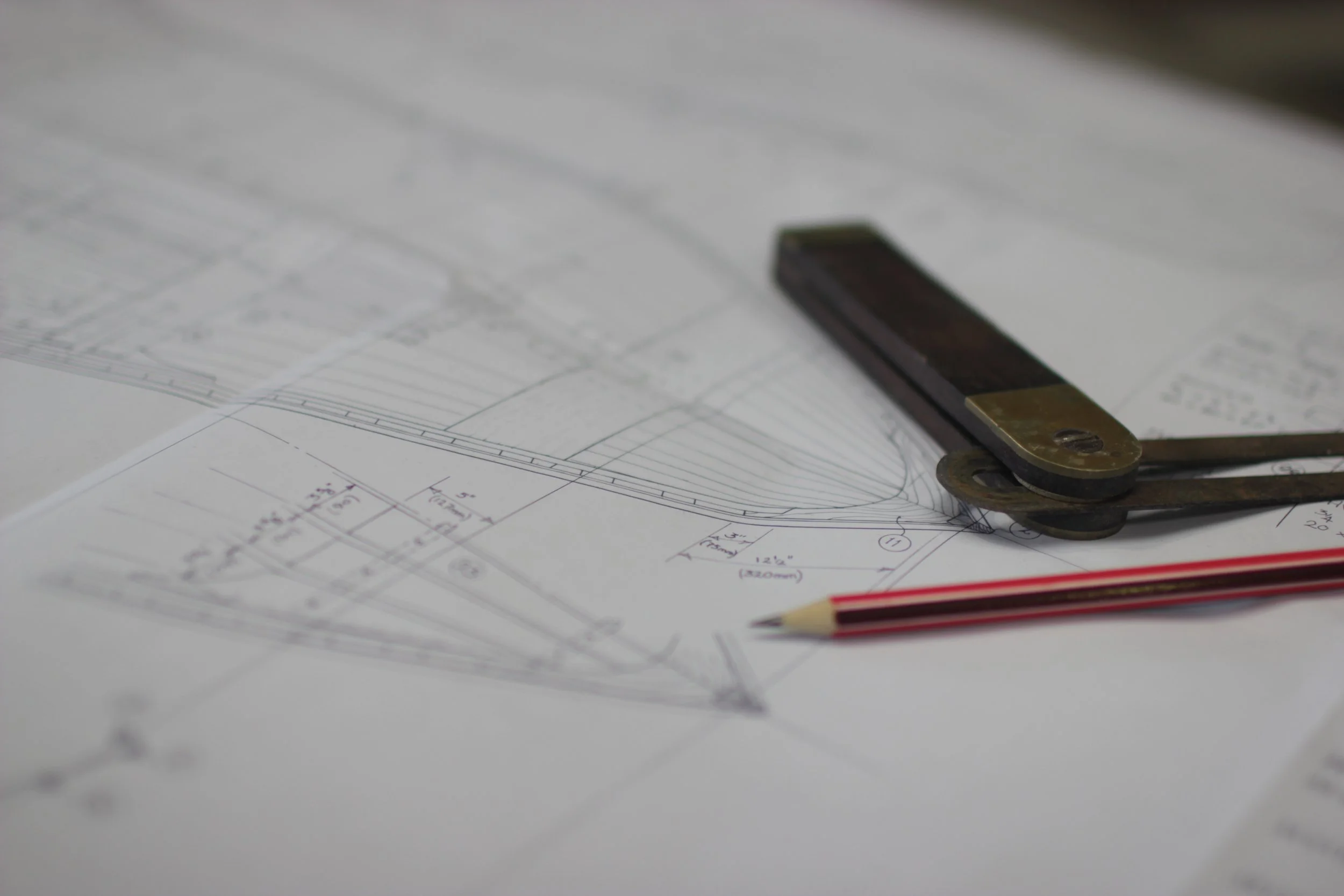
DREAM IT
CNC Project Definition & Development
For projects where the intended result is understood, but the object, requirements and production scope are not yet defined well enough to draw, quote or manufacture.
Williamstown CNC Works identifies the unanswered questions, practical constraints and decisions needed to establish the next paid stage of development.
Already have drawings, plans or a model? Go to Draw It.


DREAM IT = Before design, define.
DREAM IT MAY SUIT YOU IF
Your Project Has Direction, but Key Details Are Still Open
Dream It is not limited to one type of customer or project. It applies when you can explain the intended result, but there is not yet enough dependable information to establish exactly what must be drawn, priced or produced.
A Trade, Fitout or Marine Requirement
The required function or finished outcome is understood, but the actual components and production scope are not yet defined.

CNC Parts Plus Workshop Work
The machined parts, material, assembly, finish and later workshop stages need to be planned as one system.

A New Product, Part or Object
You know the required result, but its size, components, material or construction are not yet settled.
A Future Batch or Repeat Product
The idea may later become repeat production, but the first version and stable production requirements are still unresolved.
An Existing Item to Adapt or Reproduce
There is something to work from, but what must stay, what must change and which details matter are still open.
A Prototype or Test Piece
Something needs to be tested, but the project must first define what the prototype is intended to prove.

Dream It is for projects with direction, but with too many open decisions to draw, quote or produce reliably.
HOW DREAM IT WORKS
From an Unresolved Idea to an Agreed Project Definition





Send What You Currently Have
Start with the information already available. This may include:
A description of the intended result
Rough sketches or notes
Reference photographs
Plans or PDFs
Existing files or models
An existing object
Approximate dimensions
Material or finish references
Known site or performance requirements
Clearly identify which details are confirmed and which are estimates, preferences or open questions.
We Identify the Key Unknowns
Williamstown CNC Works reviews the intended result and identifies the decisions that must be resolved before the project can move forward.
These may include:
Purpose and use
Form and components
Dimensions and fit
Material and construction
Assembly and quantity
Budget and timing
Approval or specialist input
The aim is to identify what affects every stage that follows.
A Paid Development Stage Is Defined
Where further work is required, we define a practical development stage.
The scope identifies:
The questions being addressed
The information you must provide
The work WCW will perform
The intended output
The approval point
What is not included
What should happen after approval
That stage is quoted before development work begins.
The Project Definition Is Reviewed and Approved
The agreed work produces enough dependable information to define the project and its next stage.
You review and approve the outcome before detailed drawing, prototyping or production proceeds.
Changes outside the agreed stage may require a revised scope and additional cost.
What Does “Dream It” Produce?
Depending on the agreed scope, Dream It may produce:
A defined project brief
Confirmed purpose and requirements
An agreed object or component scope
Identified dimensions and constraints
Material and construction direction
A prototype or testing plan
Defined responsibilities
A staged approval pathway
A clear scope for Draw It
Dream It does not automatically produce approved CNC geometry or production files. Its usual outcome is a dependable brief that identifies what Draw It needs to develop next.
The aim is not to solve the entire project at once, but to define the next useful stage, its output and approval point.
PROJECT INFORMATION AND SCOPE
What We Need and What the Development Stage May Include
Your first submission does not need to be professionally presented. It must provide enough information for us to understand the intended outcome, identify the major unknowns and decide whether the project appears suitable for further development.
What to Send First
Provide the information you currently have, even if some details are still approximate:
What you are trying to achieve
What the finished object must do
Where and how it will be used
Approximate or known dimensions
What it must fit or connect to
Expected quantity
Material or appearance preferences
Required date and realistic budget range
Upload any useful sketches, notes, photographs, plans, PDFs, CAD files, models or reference documents.
Clearly identify what is confirmed and what remains open.
What a Dream It Stage May Include
The exact work depends on the project, but a quoted Dream It stage may include:
Defining the intended function
Identifying the object or component scope
Reviewing practical constraints
Establishing key dimensions or references
Developing material and construction direction
Breaking the project into components and work stages
Planning prototypes, tests or approvals
Preparing the handover into Draw It
The agreed quote will state the intended output, inclusions and approval point.
Work Quoted Separately
Depending on the project, separately quoted work may include:
Detailed CAD, redrawing and production geometry
Site measuring or interpreting an existing object
Prototypes, samples and test parts
Materials and specialist tooling
CNC programming and machining
Laminating, assembly and workshop preparation
Sanding, edgebanding and finishing
Packaging, delivery, installation or specialist advice
Revisions outside the agreed stage are also quoted separately.
Dream It is not unlimited consultation and is not included in a basic cutting price.
Some projects need only a short paid review and a clear next step. Others require several agreed development stages.
THE BUDGET
Why We Ask About Budget
There can be many valid ways to make the same object.
Material, size, construction, finish, quantity and the amount of development required can produce very different project costs.
A realistic budget range helps us assess:
Whether the intended result is commercially practical
Which materials and construction methods may suit
How much development work is reasonable
Whether prototypes or staged testing are appropriate
Which options should be ruled out early
The budget does not need to be exact, but it must have a realistic relationship to the intended result. This avoids developing a solution that cannot be produced within the expected spend.
APPROVAL
Customer and Specialist Approval
The customer remains responsible for approving the agreed project definition, dimensions, appearance and intended use.
Williamstown CNC Works does not automatically provide:
Engineering or structural approval
Architectural or regulatory approval
Product certification or compliance advice
Intellectual property advice
Unrestricted site measurement or project management
WCW is responsible only for the work included in the agreed scope, not the customer’s complete project.
Where specialist assessment or approval is required, it must be completed by an appropriately qualified party.
A project can only move forward reliably when the intended result, available budget and approval responsibility are clear.
UNDERSTANDING DREAM IT
How Much Does a Piece of String Cost?
What Will an Undefined Project Cost?
It depends.
What kind of string is it? How long is it? What must it hold? Where will it be used? How is it made? Is one piece required or ten thousand?
An undefined project is much the same.
Someone may know they want a display, enclosure, component, product, fitout element, marine part or piece of equipment. That is a useful starting point, but it is not yet enough information to establish what must be drawn, what material is required, how it will be constructed or what it will cost.
Before there can be a dependable quote, questions such as these must be answered:
What exactly is the object?
What must it do?
Who will use it?
Where will it be used?
What must it fit or connect to?
How large is it?
What will it be made from?
How will it be assembled?
What finish is expected?
How many are required?
What budget and timing apply?
Who approves the decisions?
Dream It is the paid work of answering enough of those questions to create a defined and usable project brief.
It takes the idea out of the abstract and brings it into the practical world of dimensions, materials, components, assembly, cost and responsibility.
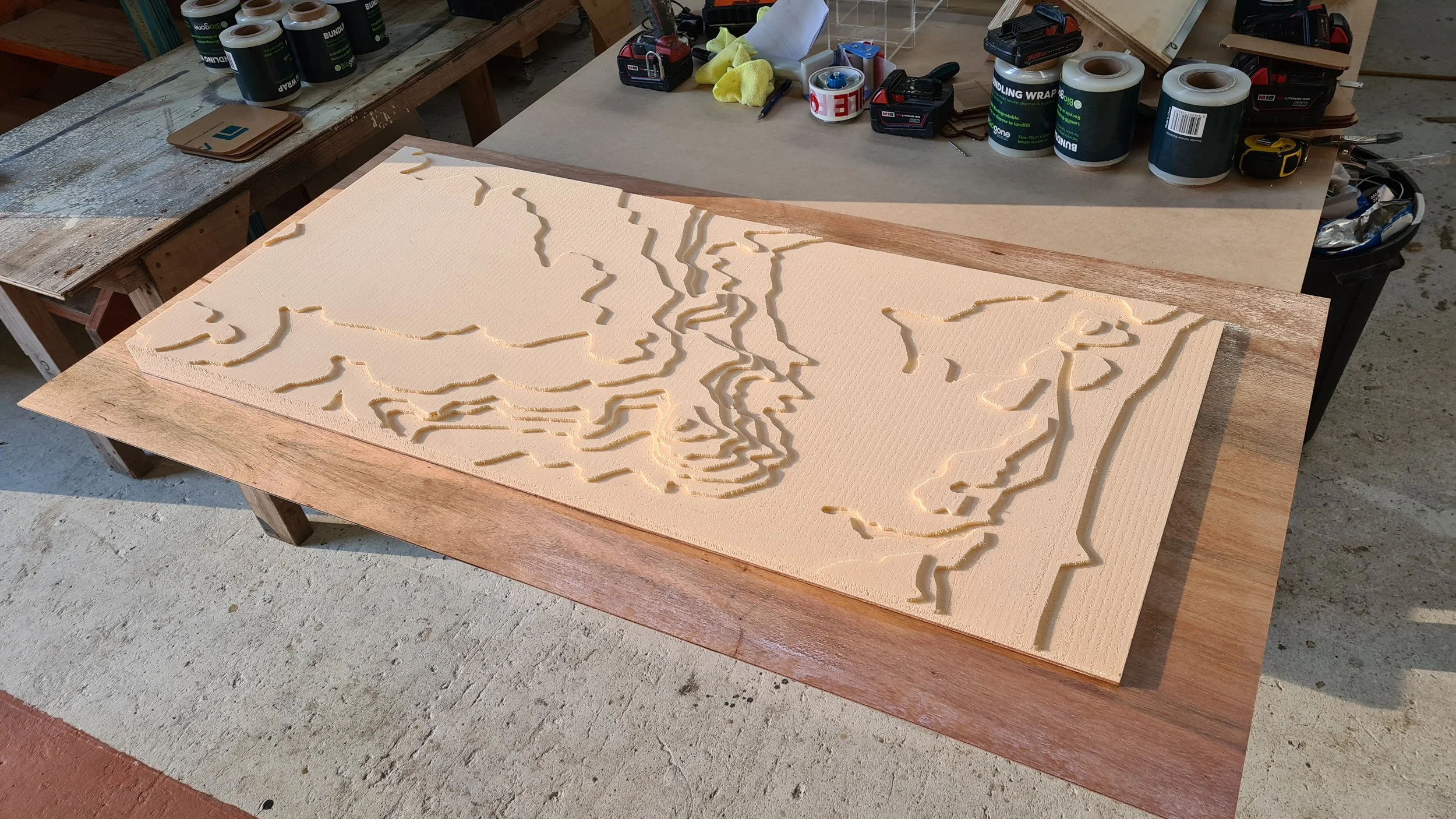
"Before something can be drawn, priced or made,
it has to be defined."
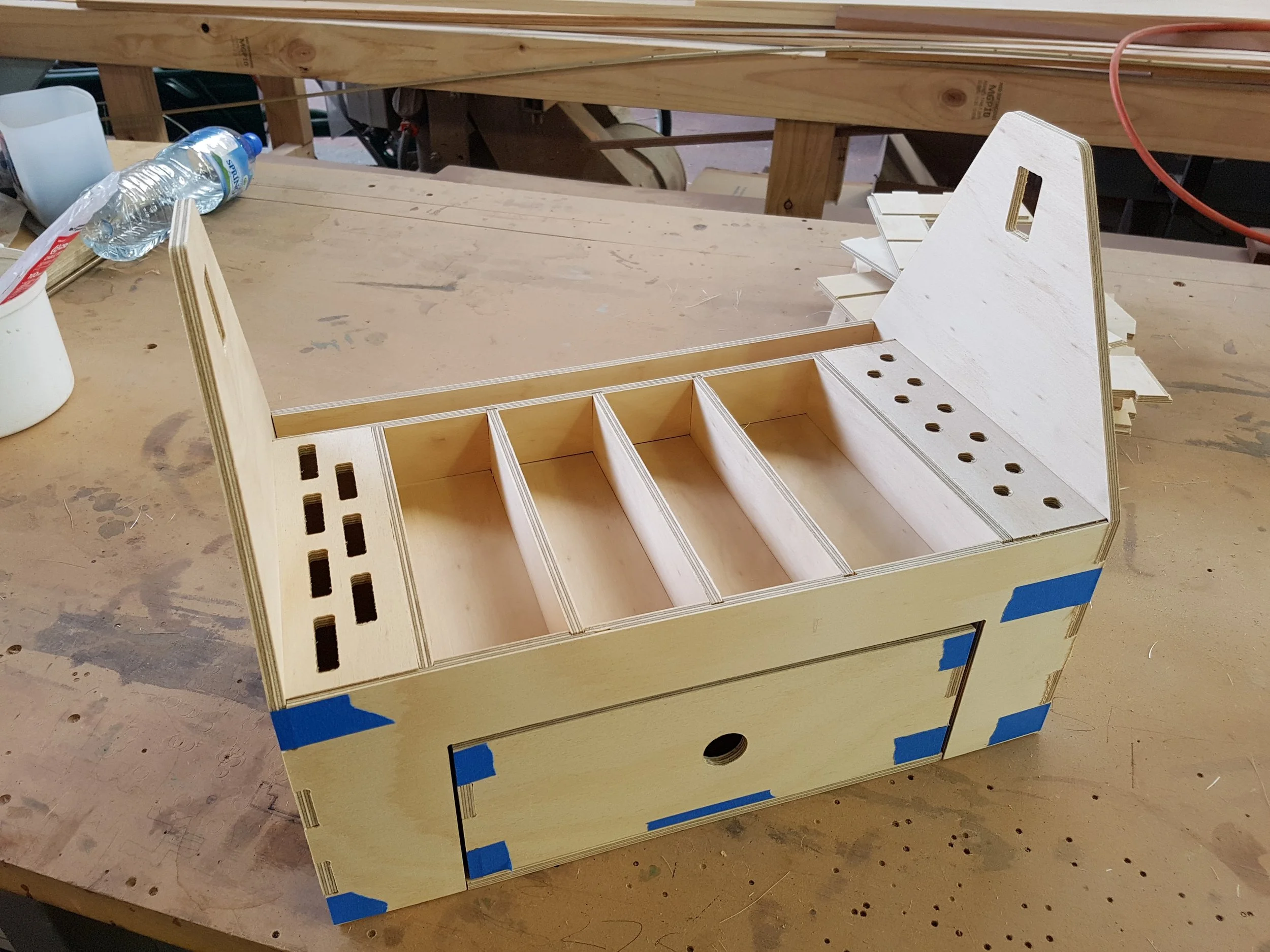
Experience does not remove every unknown. It helps identify the right unknowns before they become expensive.
EXPERIENCE
Experience Is Knowing Which Questions Matter
The difficult part of early project development is not recognising that information is missing.
It is knowing which missing decision will affect the entire project and which details can safely wait until later.
A choice that looks minor at the idea stage may affect:
Every component dimension
Material yield
Joint details
Tool access
Assembly sequence
Surface finish
Transport
Installation
Production cost
Williamstown CNC Works approaches Dream It from the combined position of drawing, CNC production, materials and real workshop assembly.
The aim is to expose important dependencies before drawings or physical work make changes more expensive.
WHAT SHAPED OUR APPROACH
From Wooden Boatbuilding to CNC Production
Wooden boatbuilding is one of the clearest examples of turning an idea into a buildable object.
A boat may begin as a set of lines, a drawing or an intended use. It only becomes buildable when its shape, structure, materials, components and sequence of assembly are made to agree.
Traditional wooden boatbuilding relies on drawings, full-size development, moulds, patterns and practical judgement to translate complex shapes into real parts.
Every component relates to something else. An early decision can affect the entire build.
Williamstown CNC Works grew from shipwright and wooden boatbuilding experience combined with long-term CAD, CNC and workshop practice.
Wooden boatbuilding is becoming an increasingly rare craft, but the thinking behind it remains valuable:
Understand the intended use
Work from dependable references
Respect the material
Consider how every part relates
Plan the assembly
Develop complex shapes carefully
Test important unknowns
Resolve problems before production
The tools have changed, but the underlying task has not.
Dream It applies that experience at the earliest stage, before there is enough dependable information to draw or make the object.
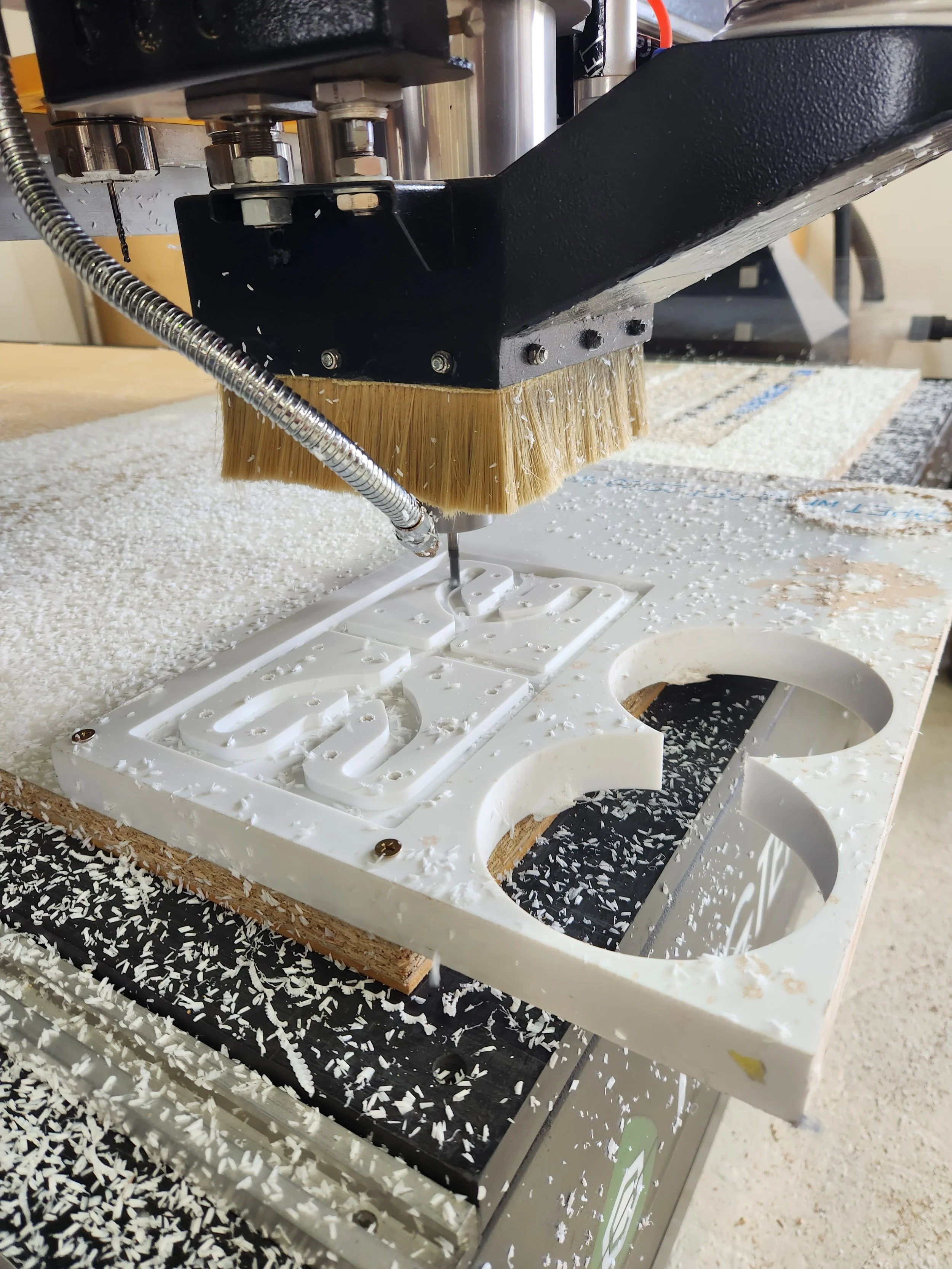
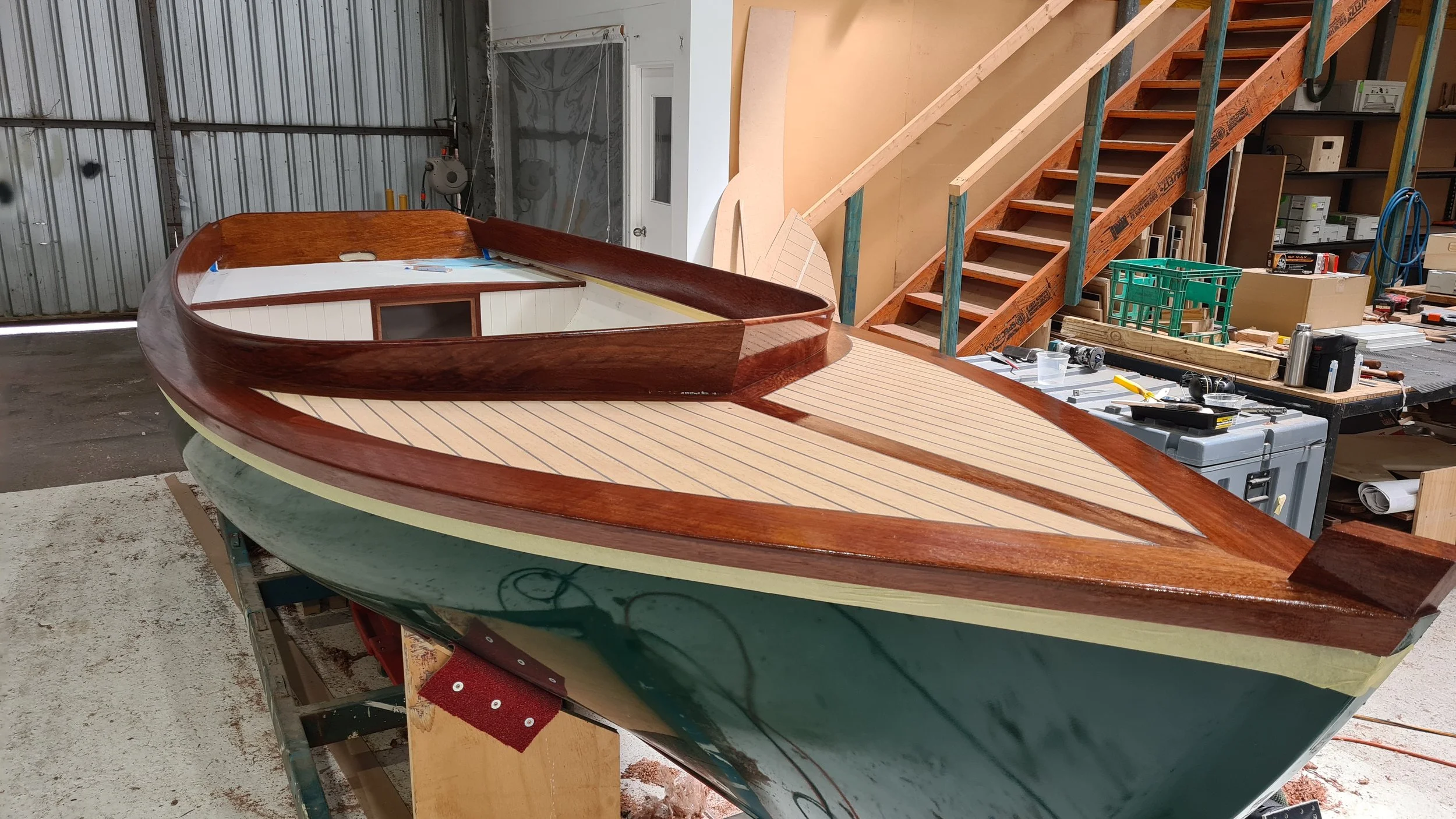
"The tools have changed.
The judgement behind the work has not"
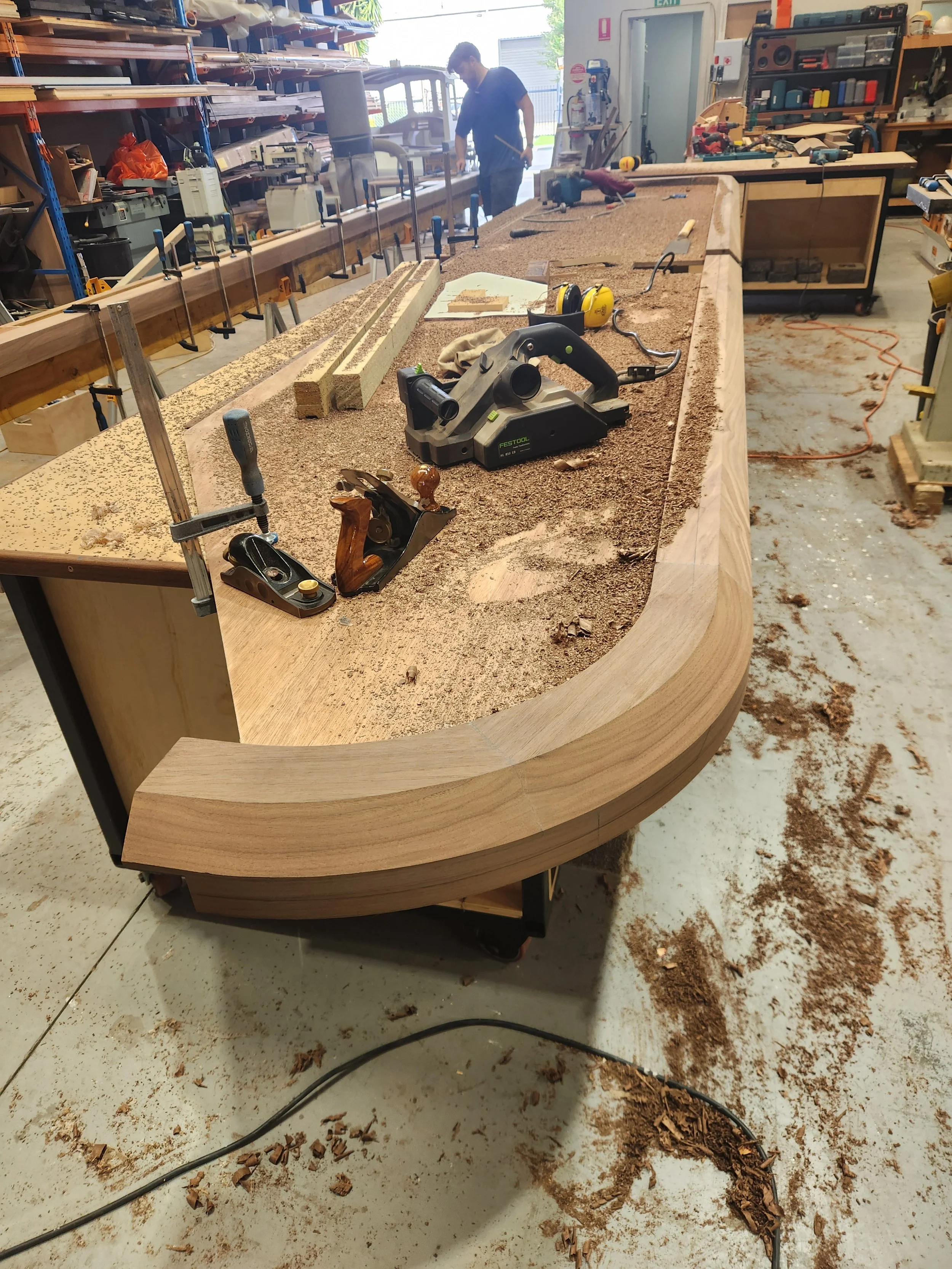
The tools have changed, but the judgement behind the work has not.
STARTING SITUATIONS
How Different Projects Enter Dream It
These projects may later travel through different industry or customer pathways.
What brings them to Dream It is the same problem: there is not yet enough dependable information to establish exactly what must be drawn, quoted or produced.
A New Product, Part or Object
A new object may have a clear intended result while still containing many unresolved decisions.
Its overall size, components, material, thickness, joints, fixings, assembly and finish may all affect the final form.
Dream It establishes:
What the object must do
Which requirements are essential
Which features are preferences
How the object may be divided into components
Which practical constraints affect the direction
What must be confirmed before detailed drawing begins
This applies whether the result will be a one-off, prototype or future production item.
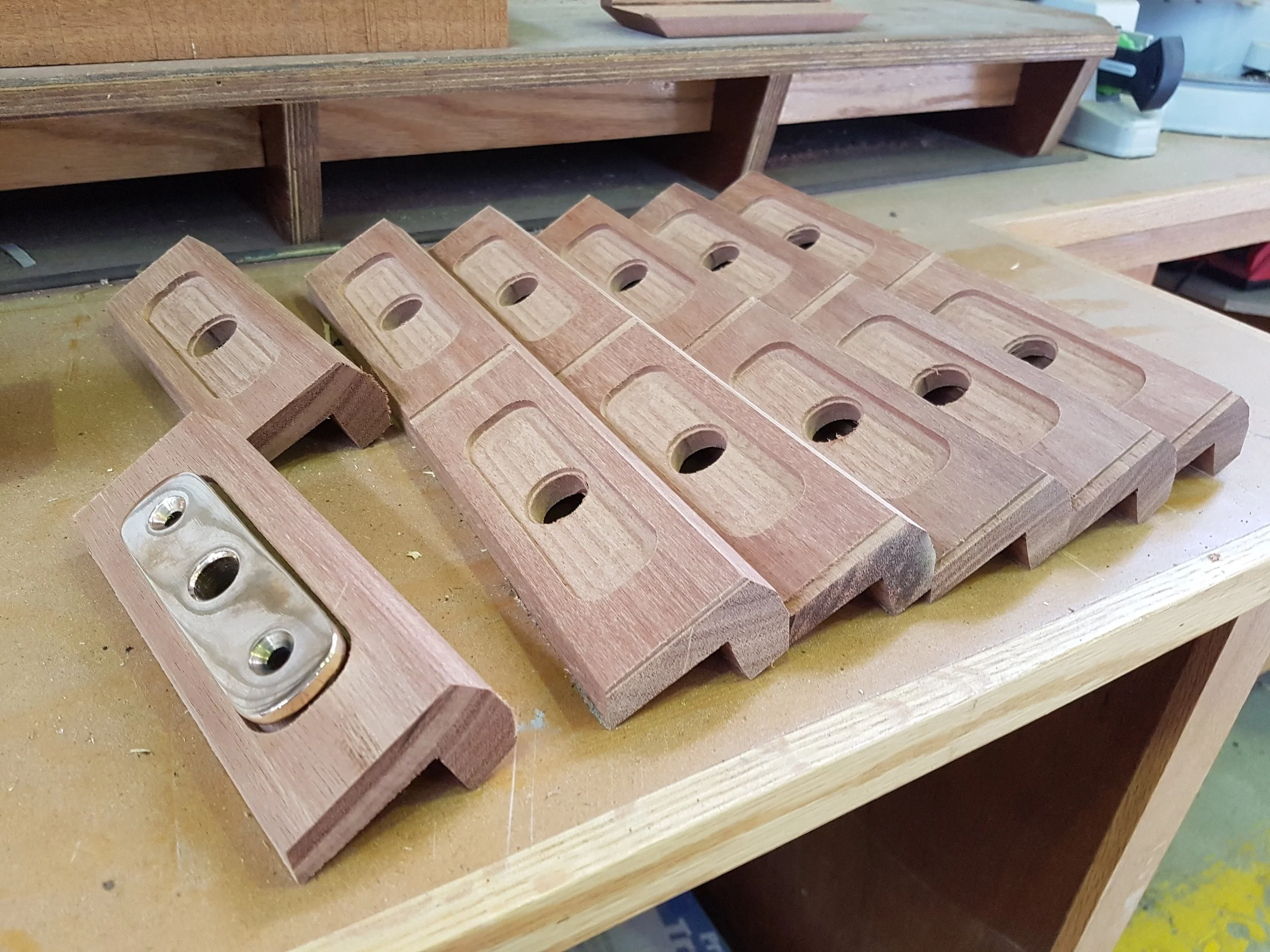
An Existing Item to Adapt or Reproduce
An existing object can provide useful information about size, form, fit and function.
The required outcome must still be defined before it can be measured or redrawn reliably.
The project may involve:
Reproducing the original
Changing its proportions
Improving a weak detail
Adapting it to a new location
Replacing only selected components
Changing its material or construction
Dream It establishes what is being retained, what is changing and which information must be captured before the project moves into Draw It.
Worn, damaged or distorted details should not automatically be copied.
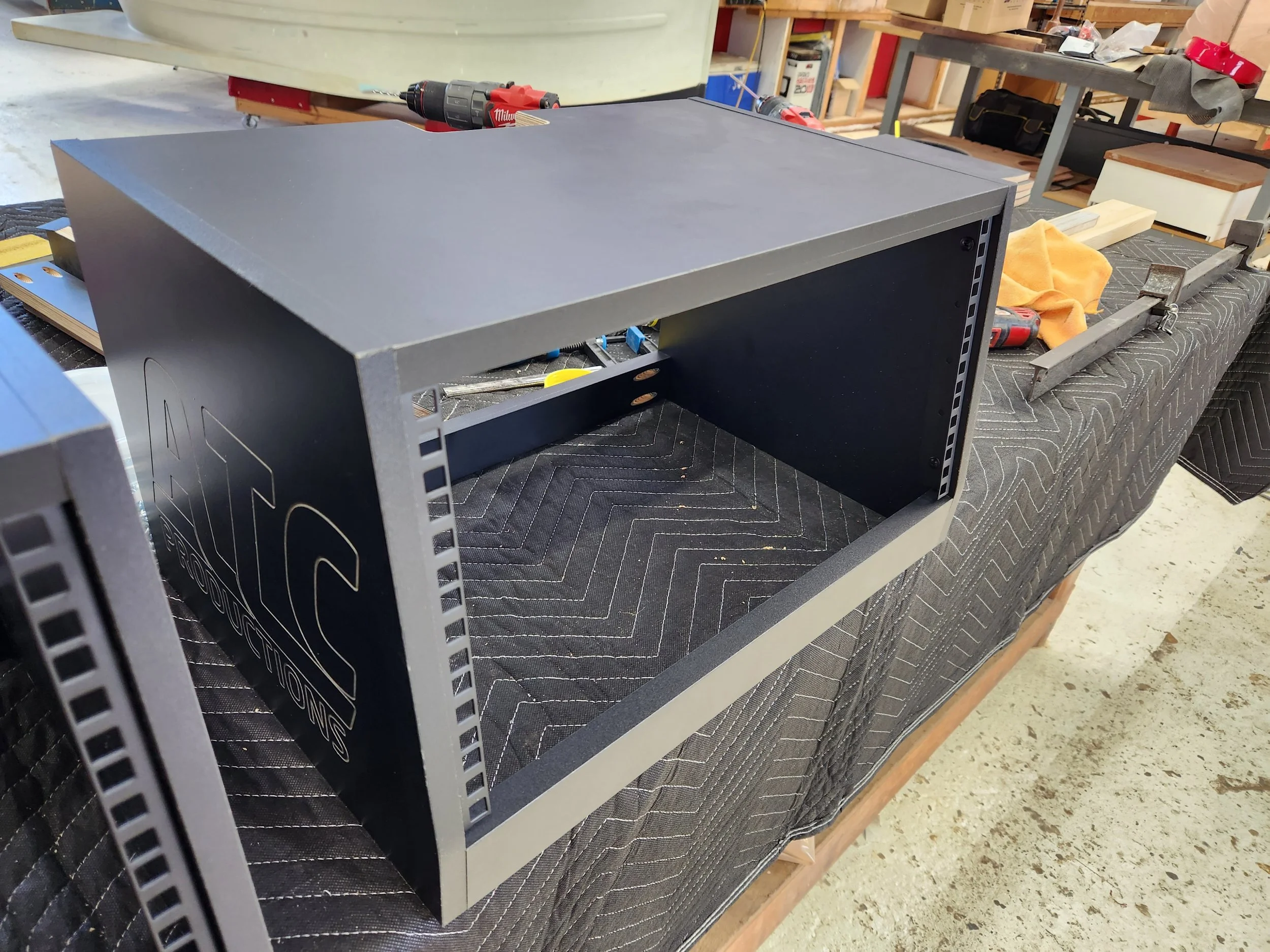
A Trade, Fitout or Marine Requirement
A builder, fabricator, boatbuilder, designer or business may understand the required outcome without having defined the actual parts.
For example, the project may require:
An enclosure around equipment
A shaped building component
A fitted marine part
A curved former
A display or set element
A component that connects to existing work
Dream It turns the broad requirement into a defined object and scope.
It establishes what WCW is being asked to supply, what information must come from the customer or site and what remains the responsibility of other contractors.
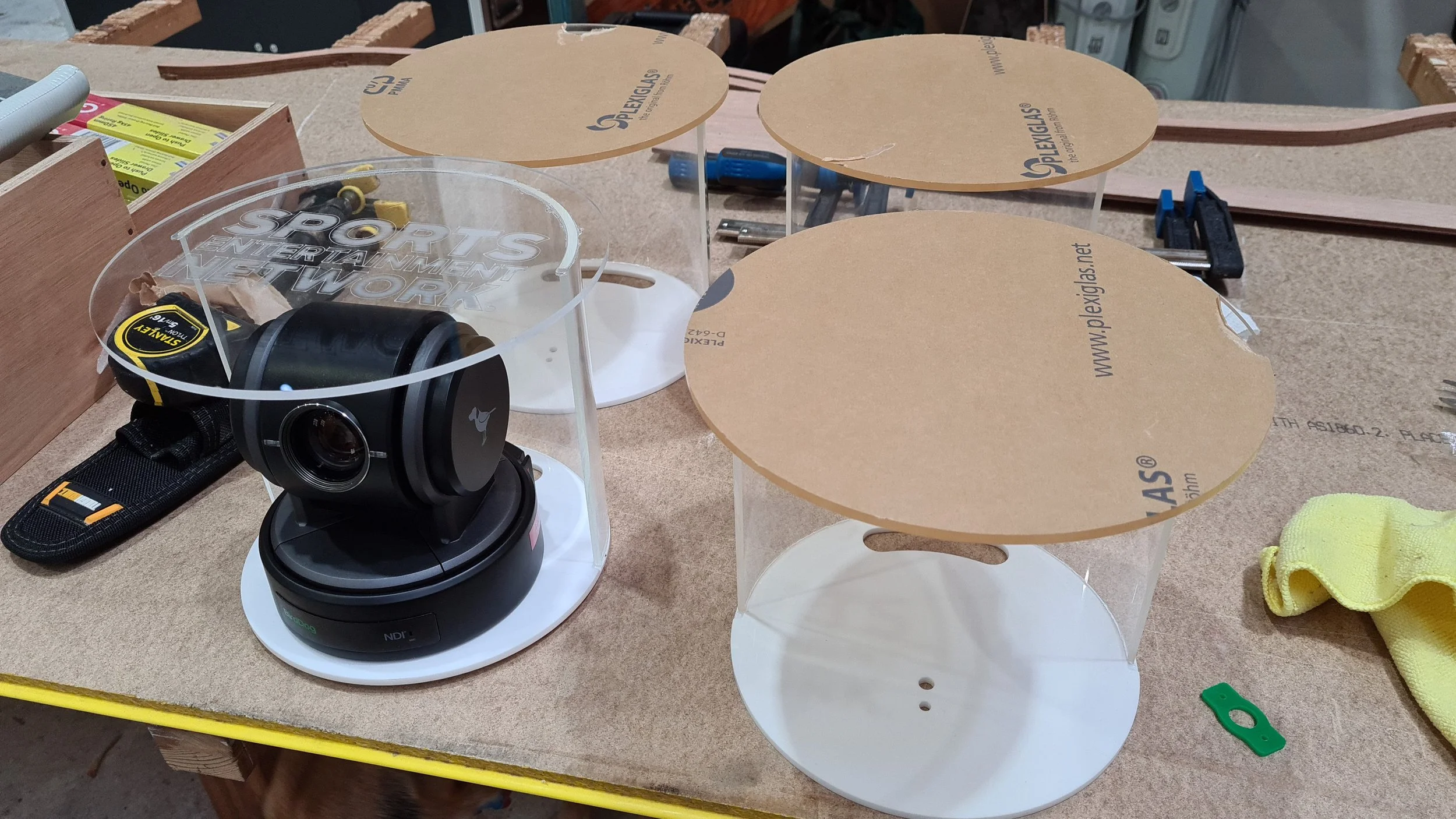
A Prototype or Test Piece
A prototype should test something specific.
It may be used to check:
Size, Fit, Movement
Assembly
Material behaviour
Appearance
A joint or fixing
A machining detail
Without a defined purpose, a prototype can become an expensive unfinished version of the final object.
Dream It establishes what the prototype must prove, which details can remain simplified and what decision will be made after it is reviewed.
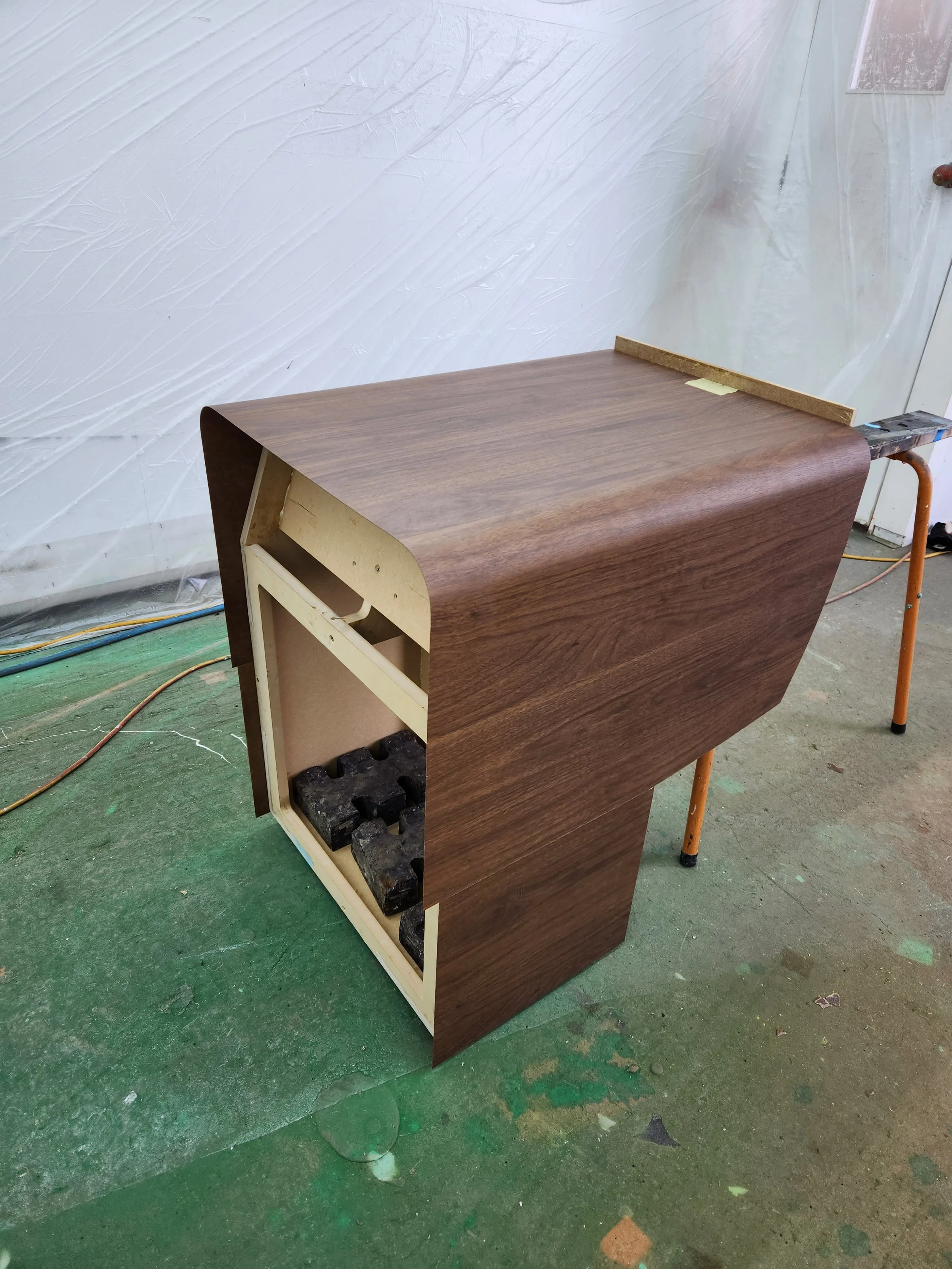
A Future Batch or Repeat Product
The intended quantity affects how the first version should be developed.
A rough proof of concept, finished prototype, one-off item and first production run are not the same thing.
Where repeat production is the intended outcome, Dream It may need to consider:
Stable component definitions
Material availability
Assembly requirements
Part naming, revisions
Sheet yield
First-run testing
What must remain unchanged for later batches
The project may later move through Draw It and into Small-Batch Production once the product and production information are stable. Dream It does not own the batch-production stage. It defines the object before that stage can begin.
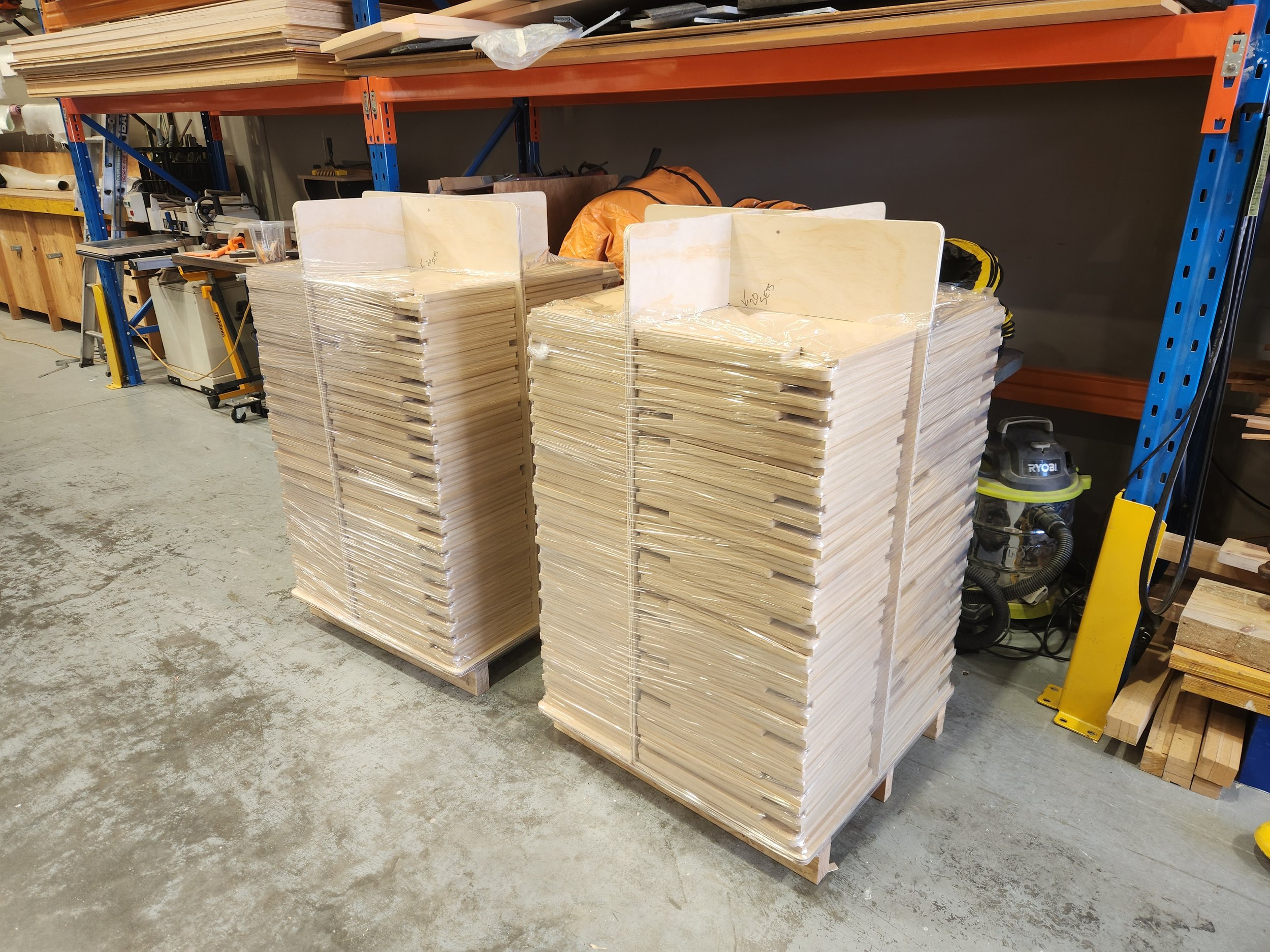
CNC Parts Plus Workshop Work
Some projects cannot be assessed as cutting work alone.
The way components will be laminated, joined, edged, sanded, assembled or finished may affect:
Their dimensions
Their component shapes
Material allowance
Joint details
Machining sequence
Tool access
Assembly order
Dream It can define the relationship between CNC-produced parts and separately quoted workshop stages. This does not mean WCW automatically takes responsibility for the complete construction or installation project. The agreed scope identifies what WCW supplies, which workshop operations are included and what remains the customer’s responsibility.
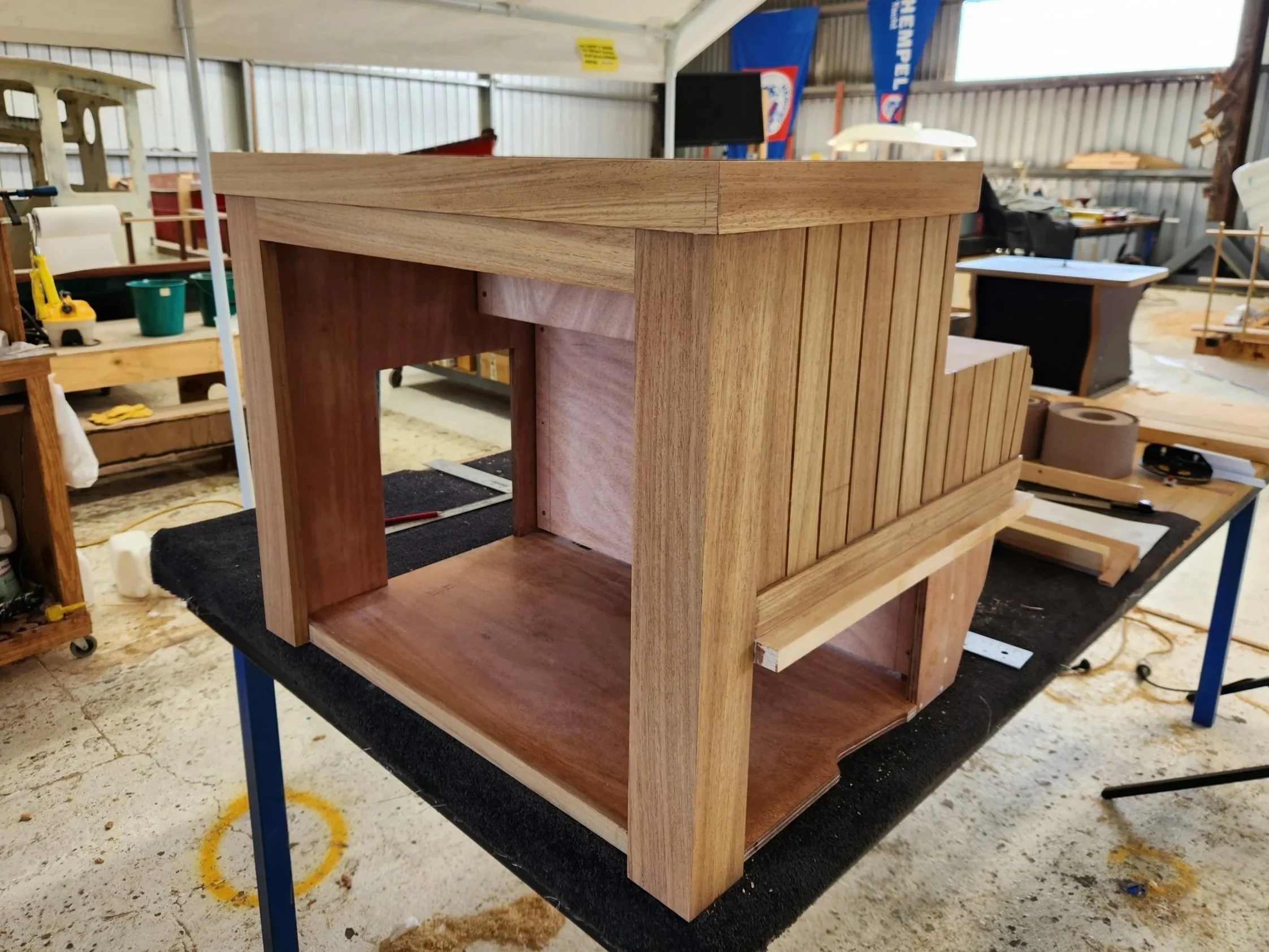
Once the project is defined, Draw It can turn the agreed brief into dependable geometry and production information.
THE NEXT PRODUCTION STAGE
Move Forward When the Project Is Ready
Continue to Draw It
Choose Draw It when the project direction is understood but dependable CNC component files still need to be created, redrawn or repaired.
Go to DRAW IT - CAD & File Preparation
Go to CUT IT
Choose Cut It when the component geometry, dimensions, material, thickness, quantities and machining requirements are approved.
Go to CUT IT - The Making Step
Add BUILD IT
Choose Build It when the CNC-cut components also require agreed workshop work such as laminating, sanding, edgebanding, trial assembly or finishing.
Go To BUILD IT - Additional Services
Some projects may only require one stage. Others may move through Dream, Draw, Cut and Build as separate quoted parts of the same project.
RELATED PROJECT PATHWAYS
Start With Your Project Type
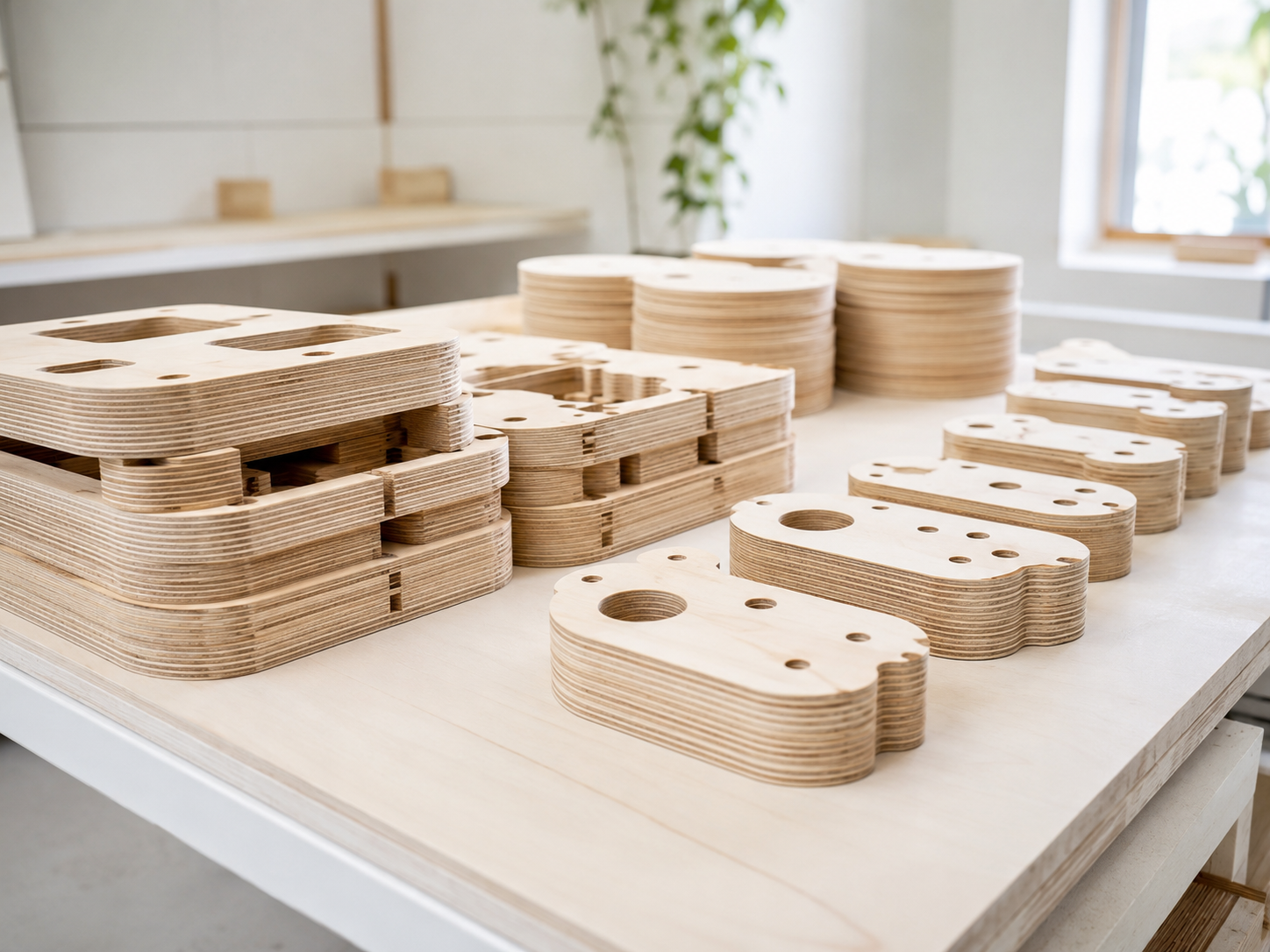
Small-Batch Production - First runs, repeat batches and controlled production parts.
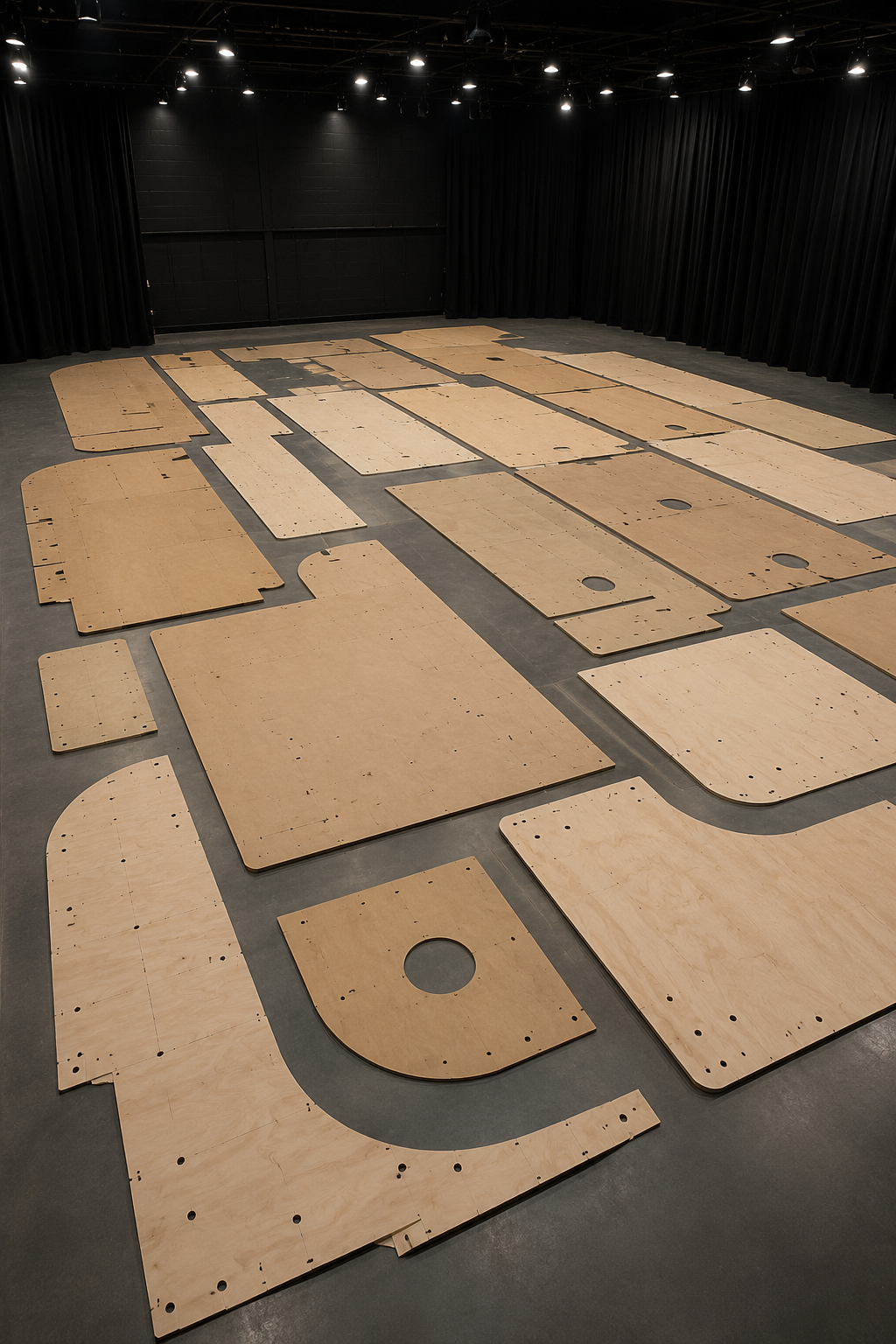
Templates and Patterns - Reusable guides, patterns and workshop templates.
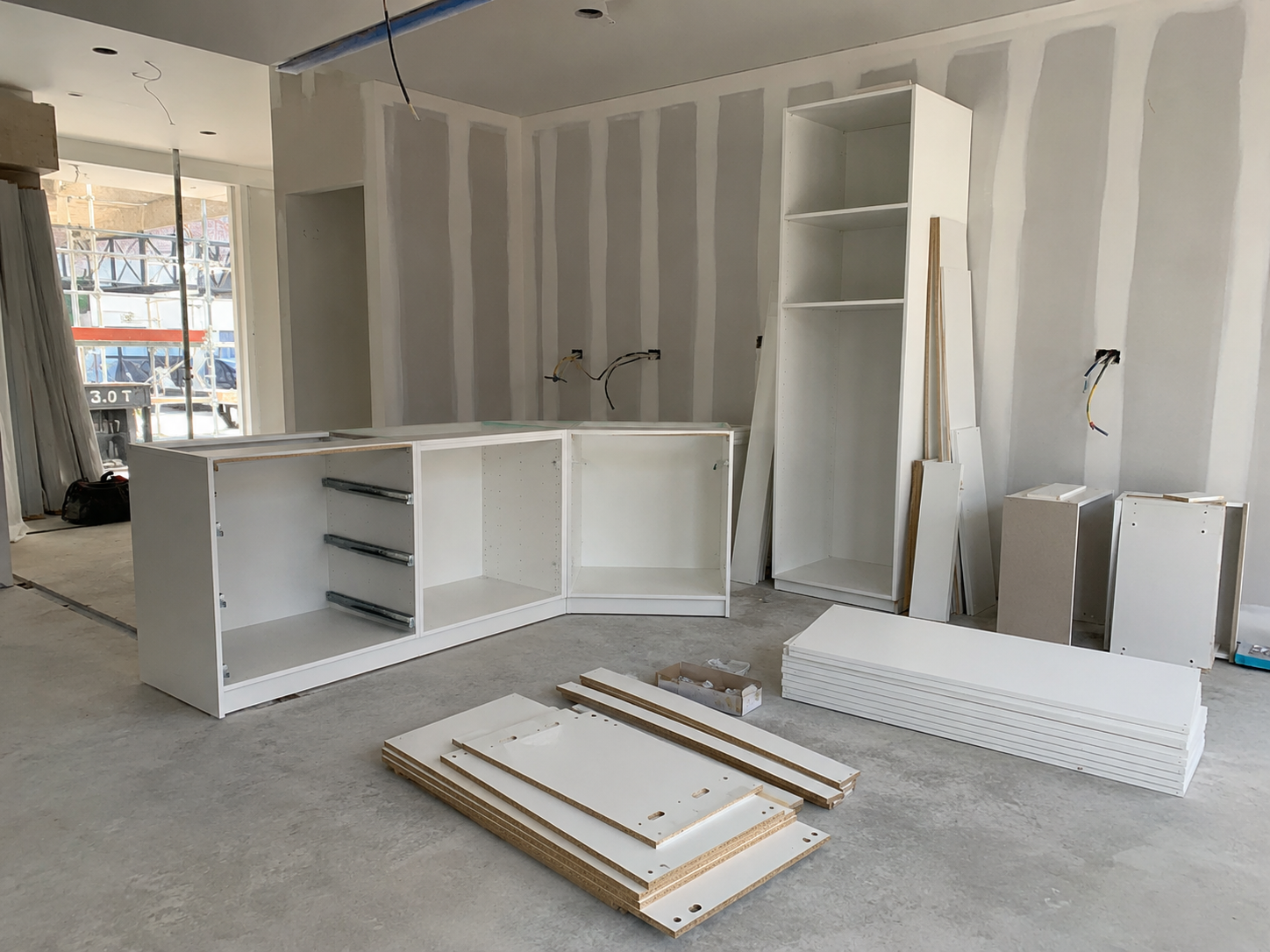
Construction and Trade - Panels, formers, fitout parts and CNC-cut trade components.

Designers & Custom Projects - Defined custom products, specialist one-off components.
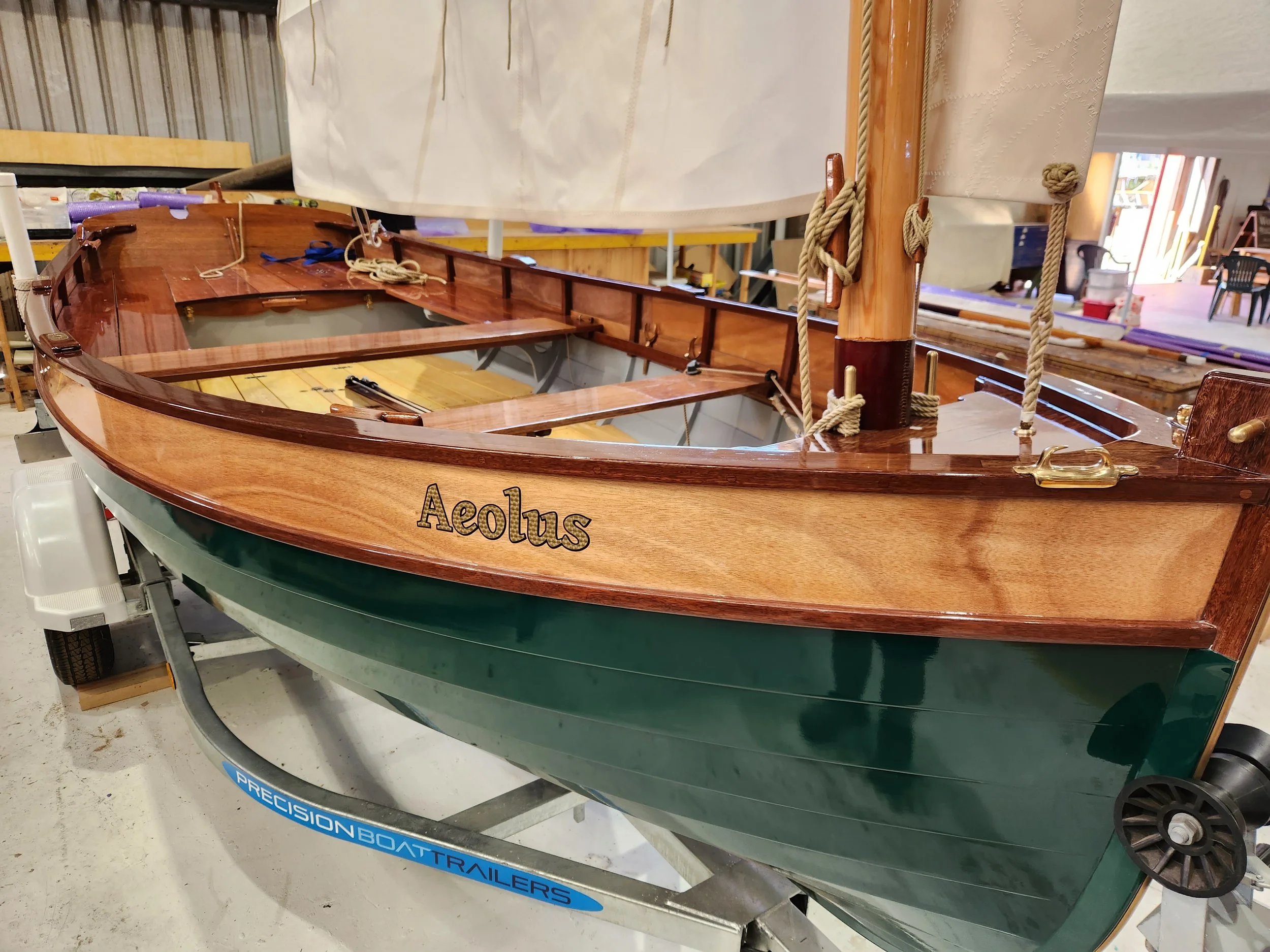
Boatbuilding and Marine - CNC-cut marine parts, patterns and fitout components.
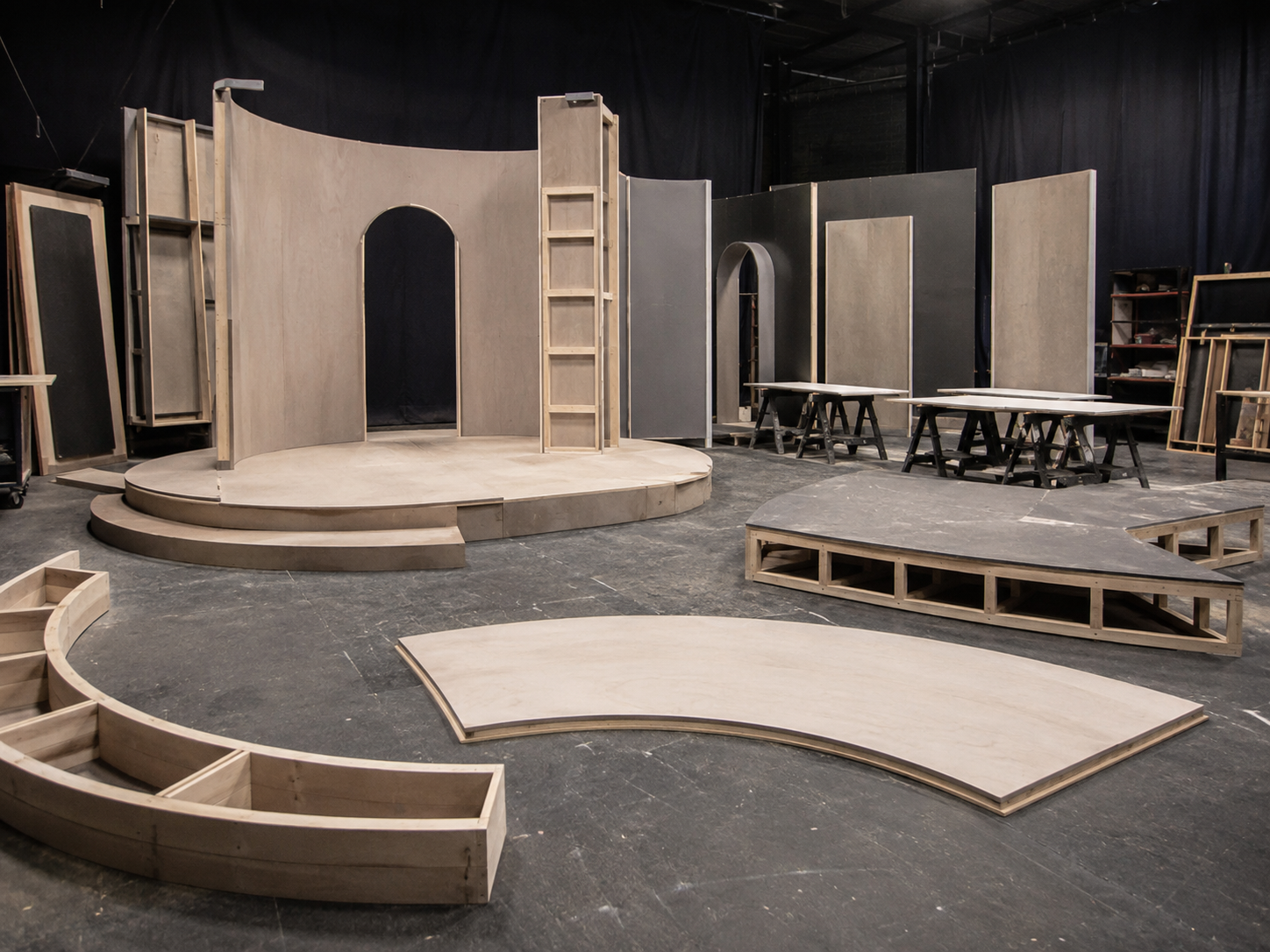
Set, exhibition and fabrication parts - CNC-cut parts for sets, displays and temporary builds.
Dream It Frequently Asked Questions
-
Sketches and photographs can help us understand the intended result, but they are not normally enough for an accurate CNC cutting quote.
A production quote requires dependable component geometry, dimensions, material, thickness, quantities and machining requirements.
Where those details are still unresolved, the first quote may cover a defined Dream It or Draw It stage rather than final CNC production.
-
No.
Useful starting information may include a written description, sketches, photographs, plans, PDFs, measurements, an existing object or partially developed files.
The amount and reliability of that information affect the paid development work required before drawing or production.
-
No.
Dream It is a stage of project readiness, not a customer or project type.
It can apply to construction, marine, products, prototypes, future batches, fitout components or custom work whenever the object and project scope are not yet defined well enough to draw, quote or produce reliably.
-
Sometimes.
The object must first be reviewed to determine whether it can be reliably measured, interpreted, reproduced or changed.
Measuring, redrawing, test components and adjustments are separately scoped where required. Worn, damaged or distorted details should not automatically be copied.
-
Your initial submission is reviewed to determine whether the project appears suitable and what information is missing.
Where development is required, we define a paid stage with an agreed output, inclusions and approval point before work begins.
Dream It is not unlimited consultation and is not included in a basic CNC cutting price.
-
Workshop visits are arranged after enough project information has been submitted for an initial review.
This allows us to confirm that the work appears suitable and that a meeting is the most useful next step.
Detailed consultations, measuring and development meetings may form part of the paid scope.
-
Once the object, requirements and project scope are sufficiently defined, the usual next step is Draw It.
Draw It converts the agreed project brief into dependable drawings, component geometry and production information.
Where approved geometry already exists, the project may move to Cut It. Suitable assembly or finishing work may later be scoped through Build It.
-
The customer approves the agreed project definition, dimensions, appearance and intended use.
Where engineering, structural, regulatory, architectural or other specialist approval is required, it must be provided by an appropriately qualified party.
Williamstown CNC Works is responsible for the work included in the agreed scope, not the customer’s complete project.