
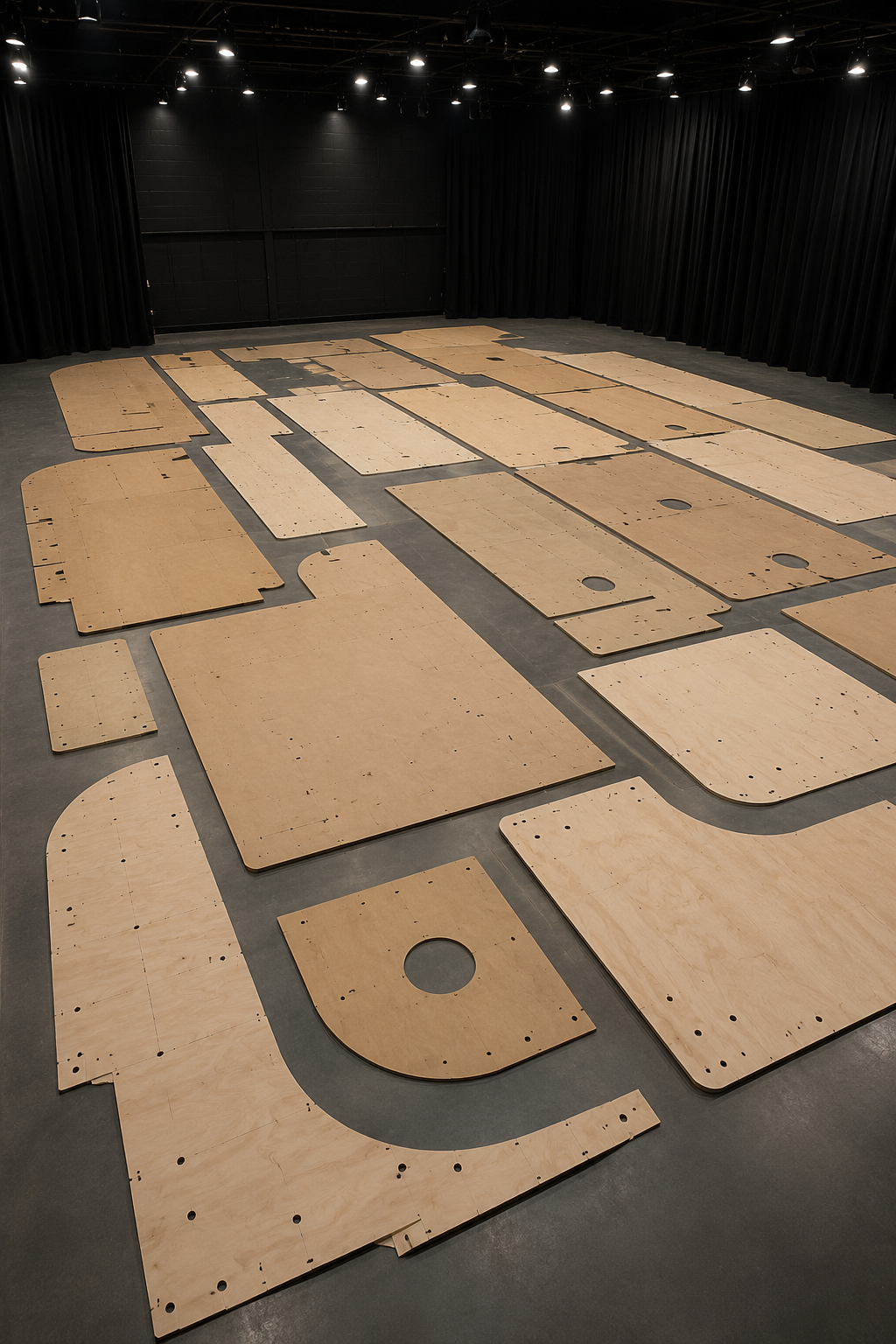
TEMPLATES & PATTERNS
Custom templates, routing guides and patterns made to order for drilling, marking, assembly and repeat fabrication.
We work from supplied CAD files, marked-up drawings or suitable existing patterns, using MDF, plywood, HDPE and other sheet materials selected for how the template will be used.
Made in our Williamstown North workshop for Melbourne trades, fabricators, boatbuilders and makers.
Custom CNC-Cut Templates and Patterns




Templates made for a specific workshop job
A useful template needs more than an outside shape.
The material, thickness, holes, locating points, reference edges, offsets and labels should suit the tool or process it will be used with.
Some templates are required once for marking or checking. Others need to survive repeated routing, drilling, fabrication or assembly work. We review the intended use before recommending the material and machining approach.
CNC Templates for Routing, Drilling and Fabrication
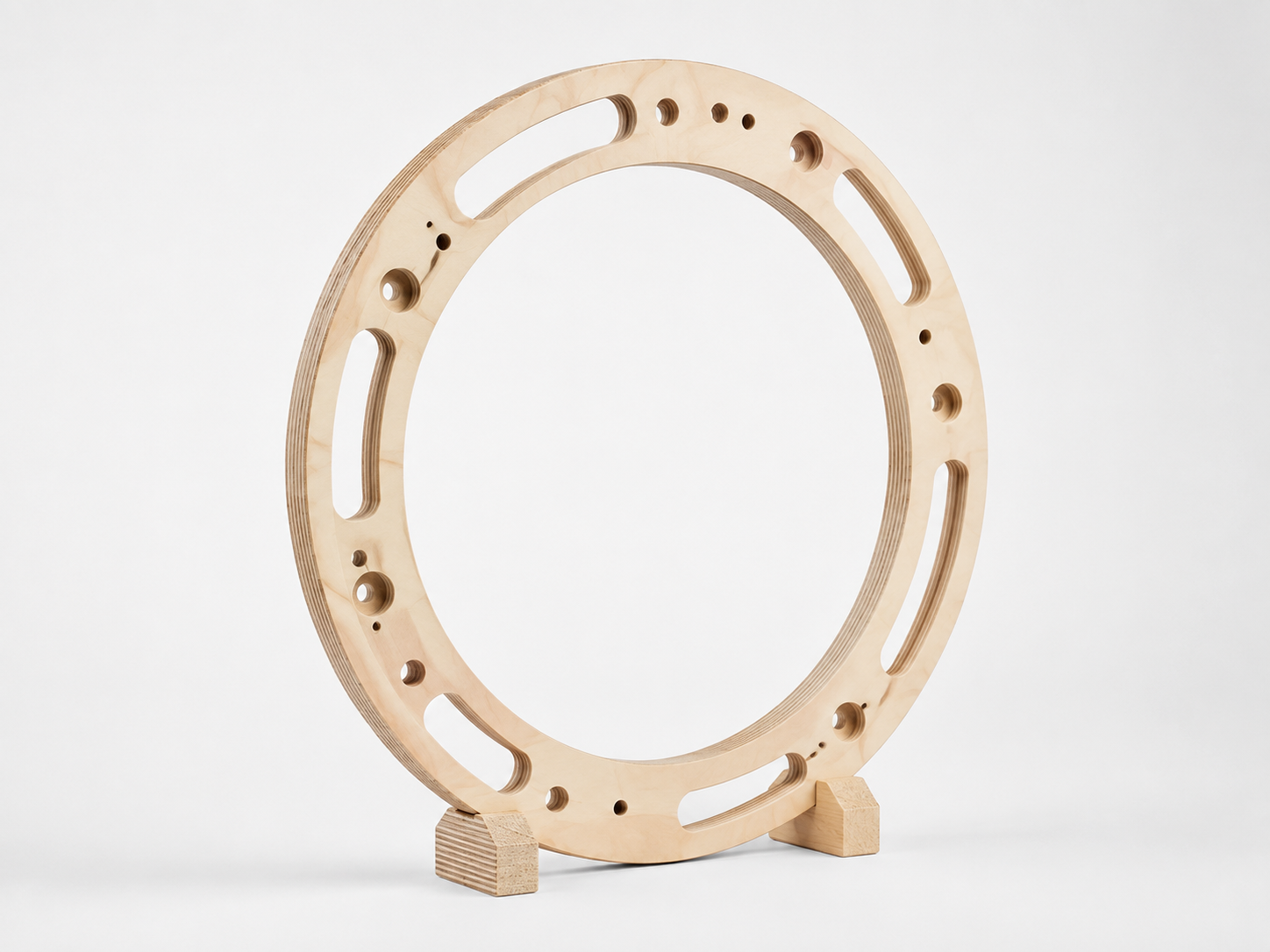
Routing and profile templates
Custom guides for producing repeated curves, profiles, cut-outs and shaped components with hand-held routers or workshop machinery.
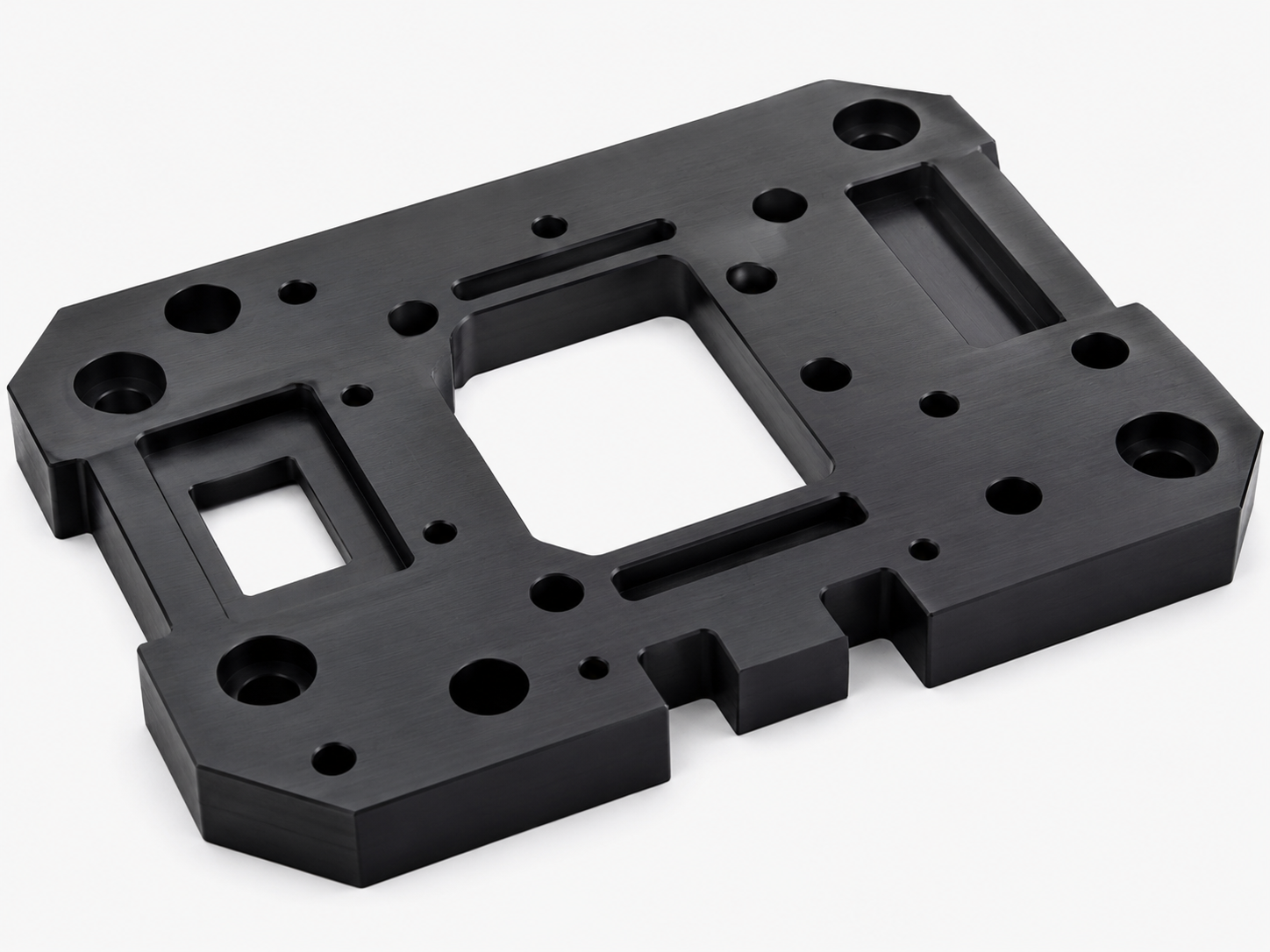
Drilling Jigs and Locating Templates
Templates and guides with holes, slots, datums and locating features used to position fittings, fasteners or repeated components.
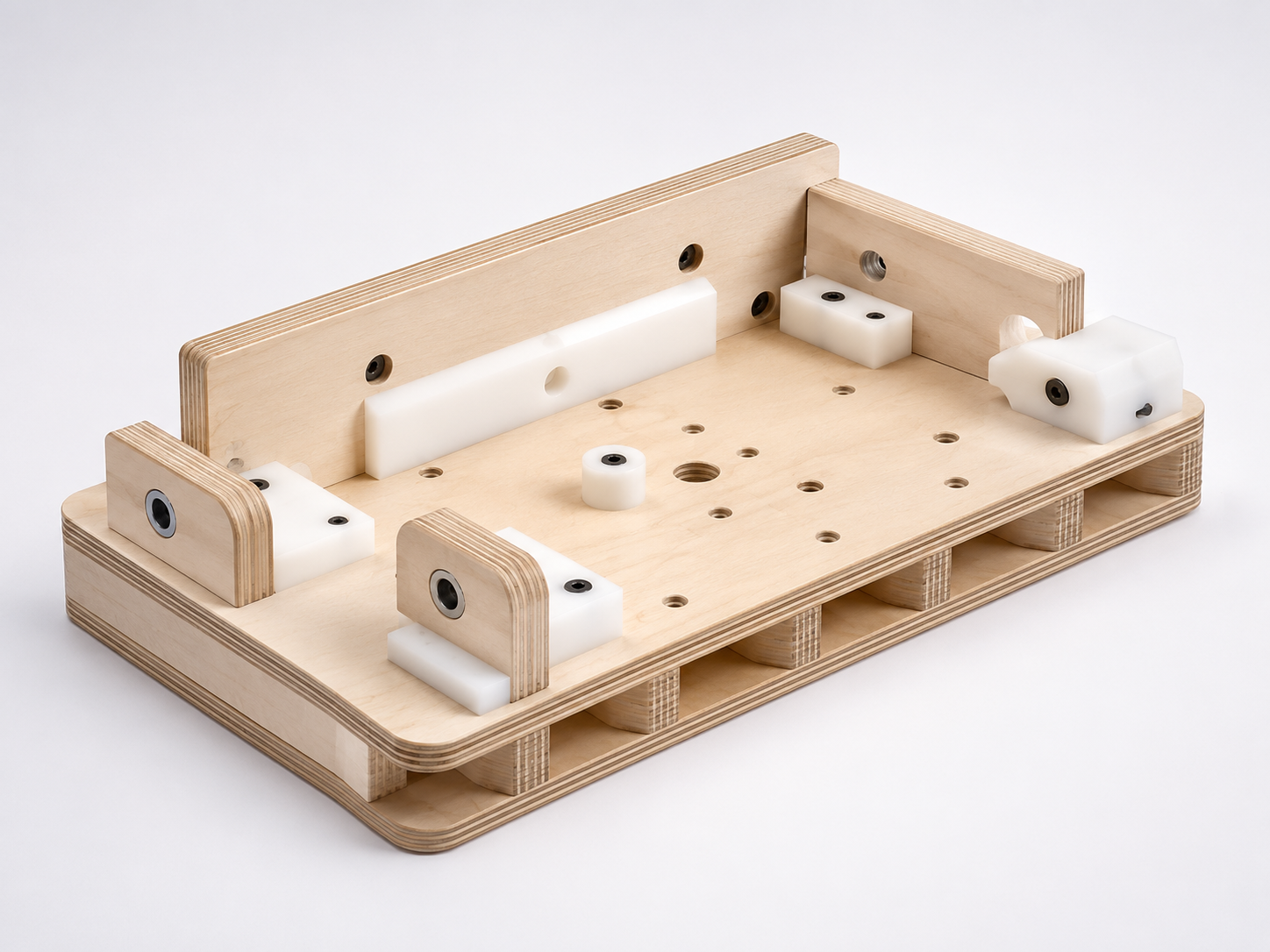
Assembly and fabrication patterns
Full-size patterns used for marking, checking, aligning or assembling parts during joinery, construction and fabrication work.
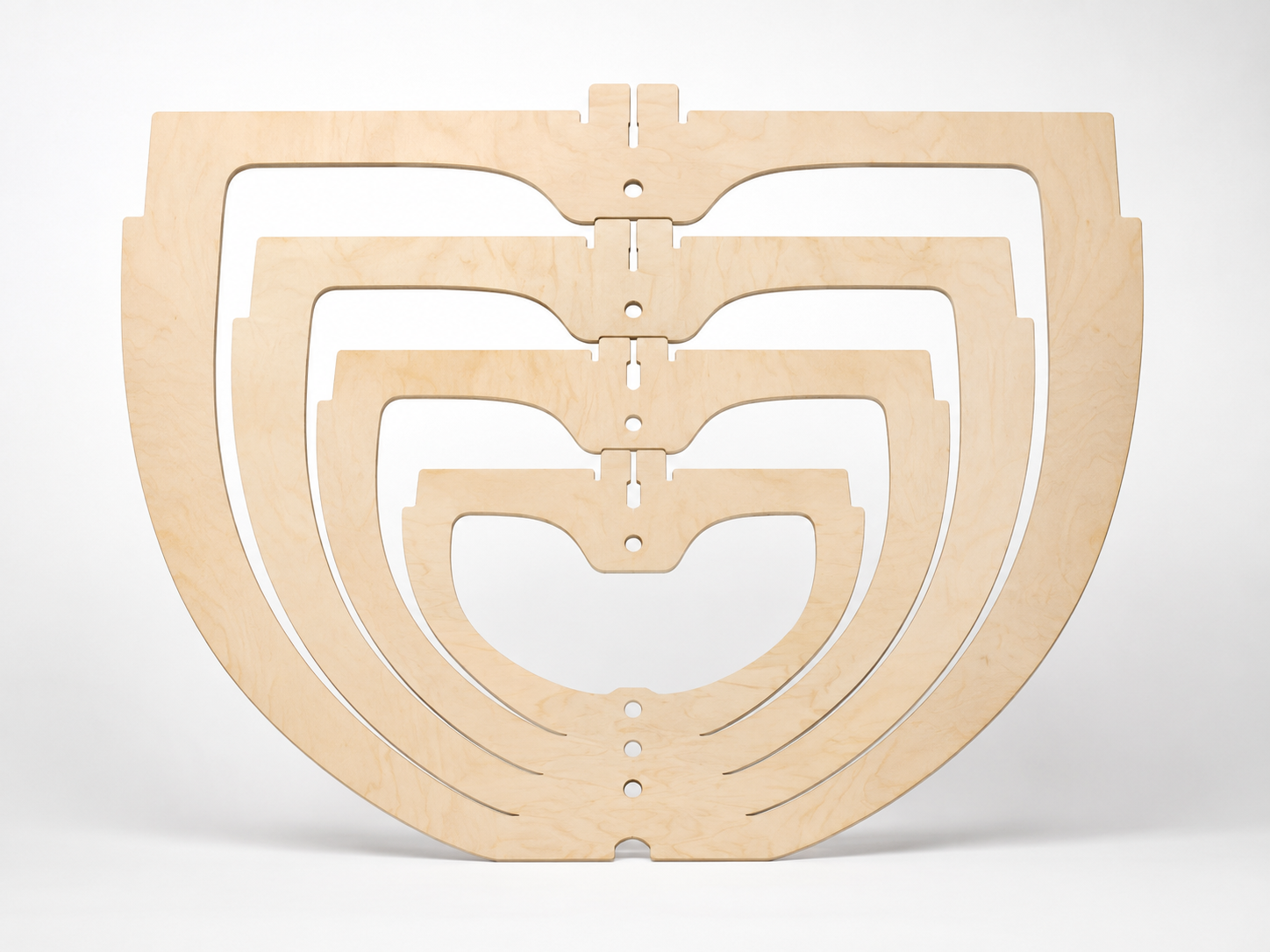
Marine Templates and Curved-Work Patterns
Full-size templates and patterns for frames, bulkheads, fitout components, repairs and other shaped marine work where repeatable geometry matters.
Start from CAD Files, Drawings or an Existing Pattern

CAD file ready
The finished geometry has already been drawn at the correct size, with holes, slots and machining details identified.
This is normally the quickest pathway to quoting and cutting.
Drawing or marked-up reference
You have dimensions, sketches, PDFs or drawings, but the production geometry still needs to be prepared or checked.
File preparation and redrawing are quoted separately.
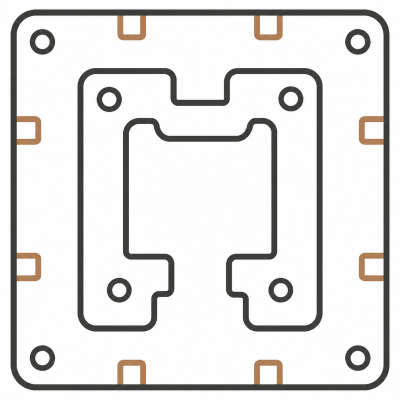
Existing physical pattern
An existing template, component or pattern may sometimes be used as the starting reference.
Measuring, checking, tracing and converting it into production geometry are reviewed as paid file work.
What to Send for a Custom CNC Template Quote

Finished size - Include the overall dimensions, scale and any critical reference measurements.

Intended use - Explain whether the template will guide routing, drilling, marking, checking, assembly or another operation.

Important details - Identify critical edges, datums, hole sizes, slots, offsets, labels and alignment points.

Material and quantity - Let us know your material, required quantity, and expected usage frequency.

Files or drawings - Supply CAD files, dimensioned drawings, marked-up PDFs, photographs or details of an existing pattern.

Timing - Include the required date and whether replacement or repeat sets may be needed later.
Where several templates form a set, include a parts list or clear naming system so quantities and handed pieces can be checked.
Materials for CNC-Cut Templates and Patterns
Material choice depends on the template size, expected number of uses, moisture exposure, edge wear and the tools being guided.
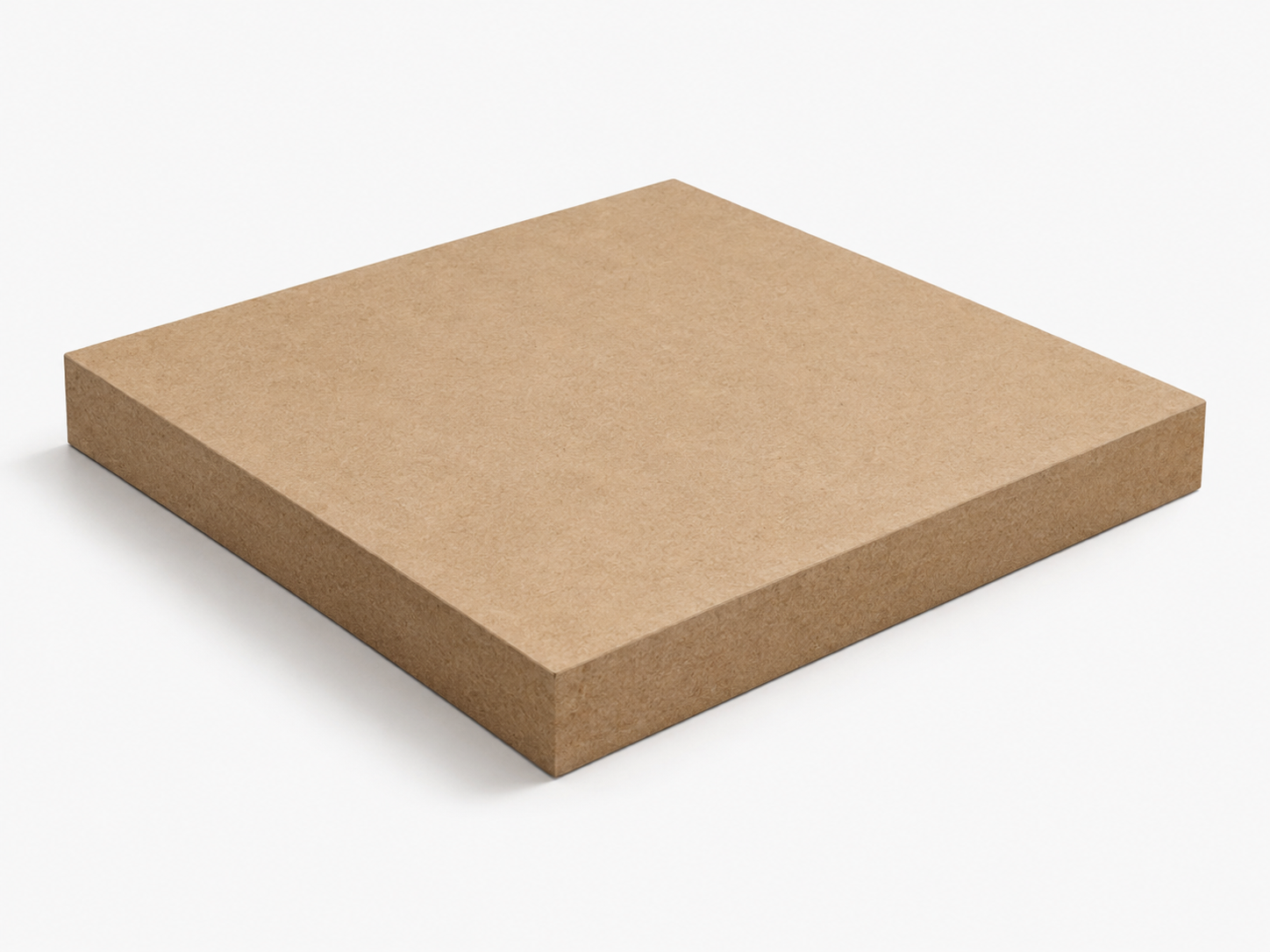
MDF
A practical and economical choice for many workshop patterns, routing templates and short-run applications.
MDF machines cleanly but is less suitable where the template will be exposed to moisture, impact or heavy edge wear.
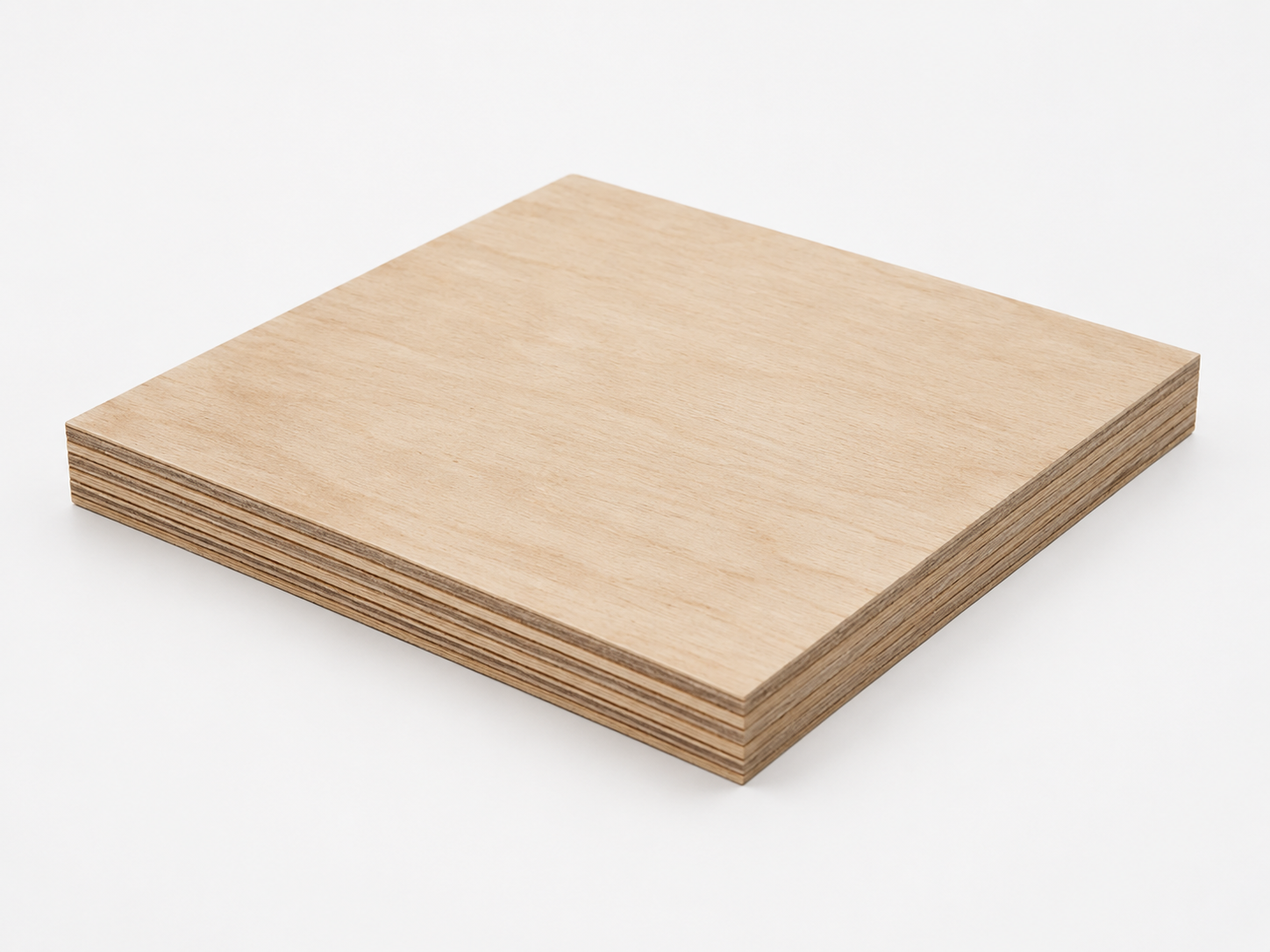
Standard Plywood
Stronger and more durable at the edges than MDF, making it useful for templates that will be handled repeatedly or fixed with screws.
Plywood grade matters because face quality, core voids and edge durability can vary.
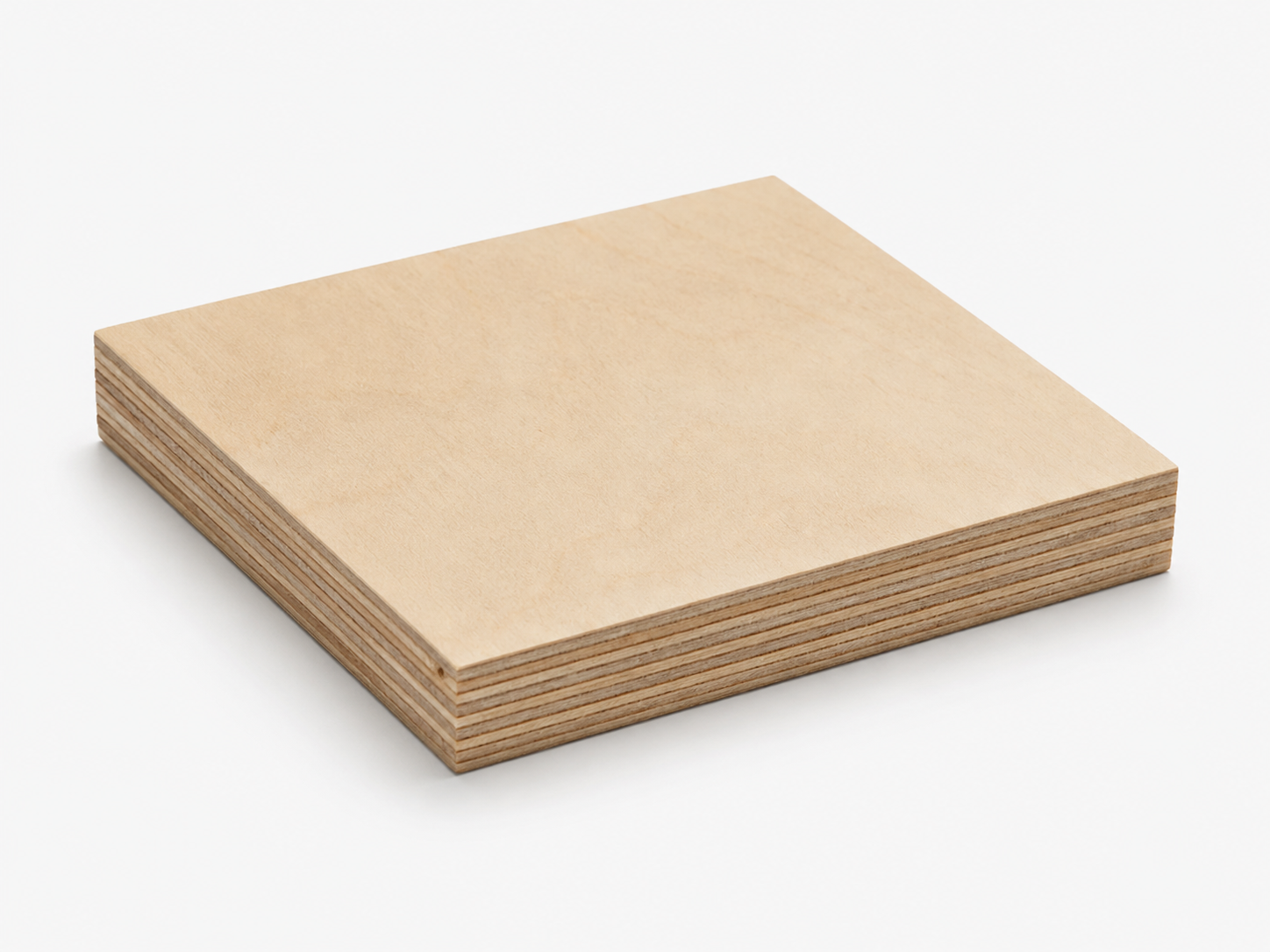
Marine Plywood
Useful where a template may see occasional moisture or demanding workshop conditions.
Its durable veneers and exterior-bonded construction improve resilience, but it still needs suitable sealing and storage.
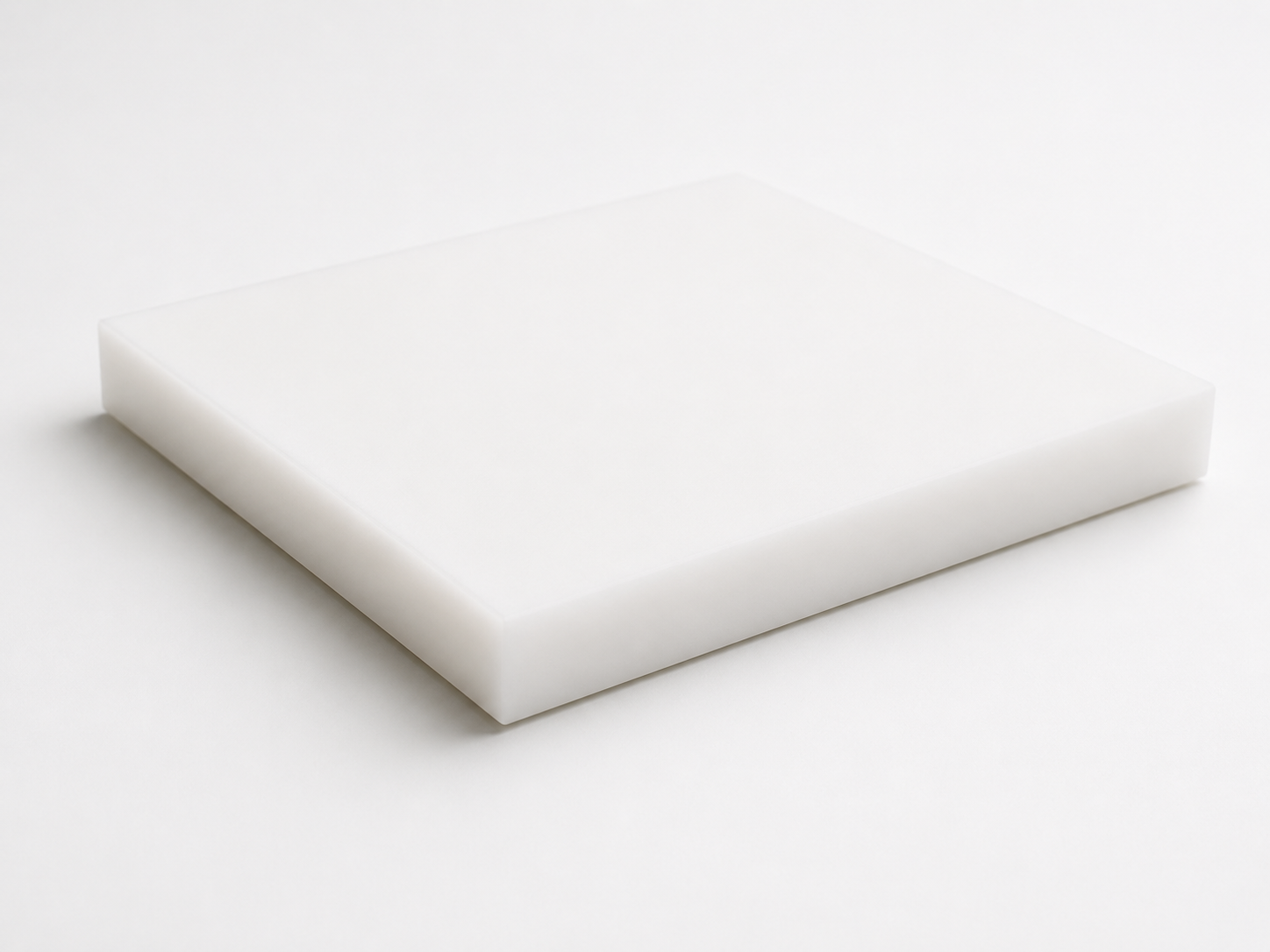
HDPE
A moisture-resistant plastic suited to reusable drilling, locating and routing guides.
It has a smooth, non-absorbent surface, but support and movement with temperature still need to be considered.
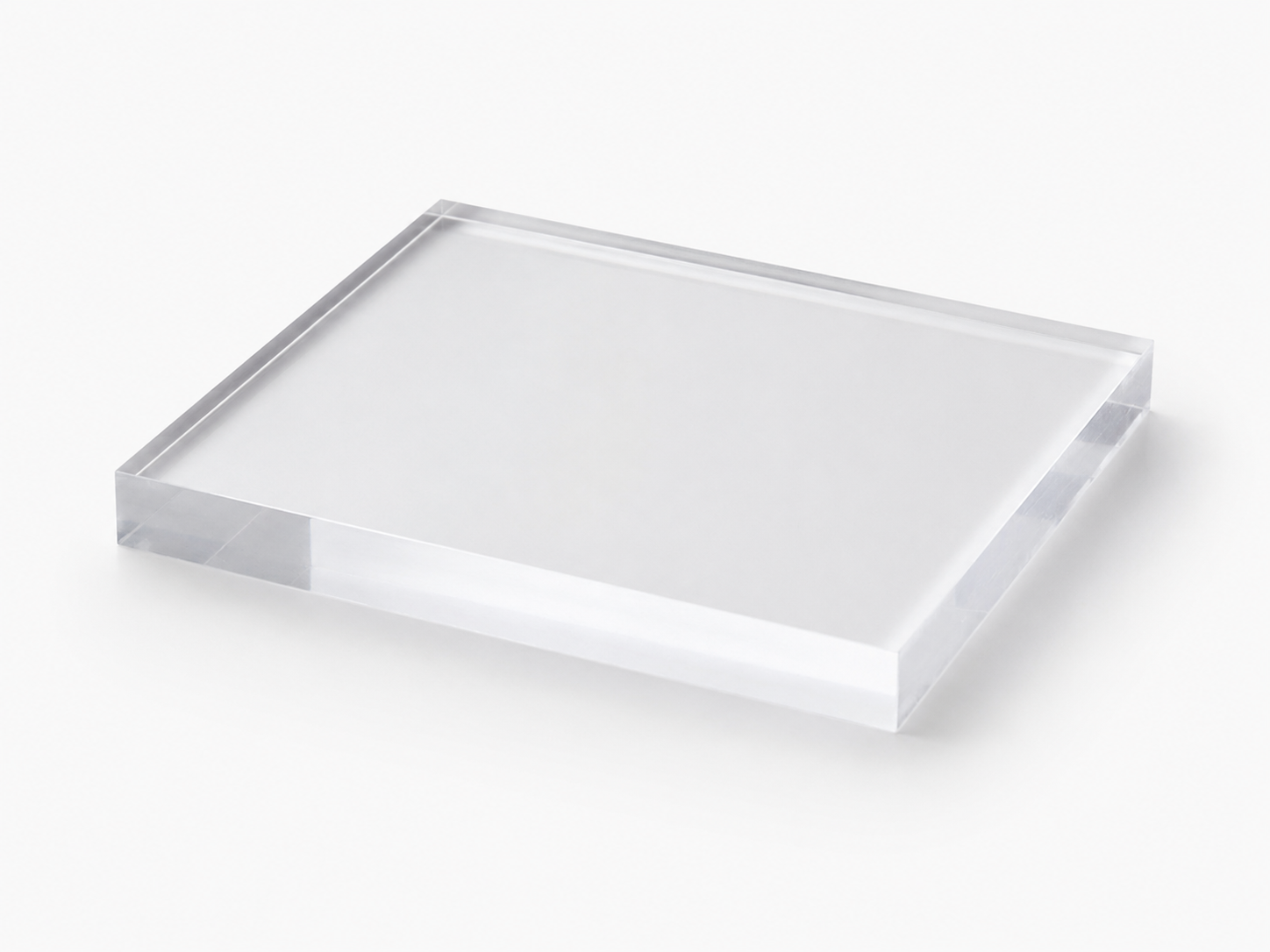
Acrylic
Useful where seeing through the template helps with positioning, marking or checking.
It machines cleanly, but thickness, fastener details and the risk of cracking need to be considered.
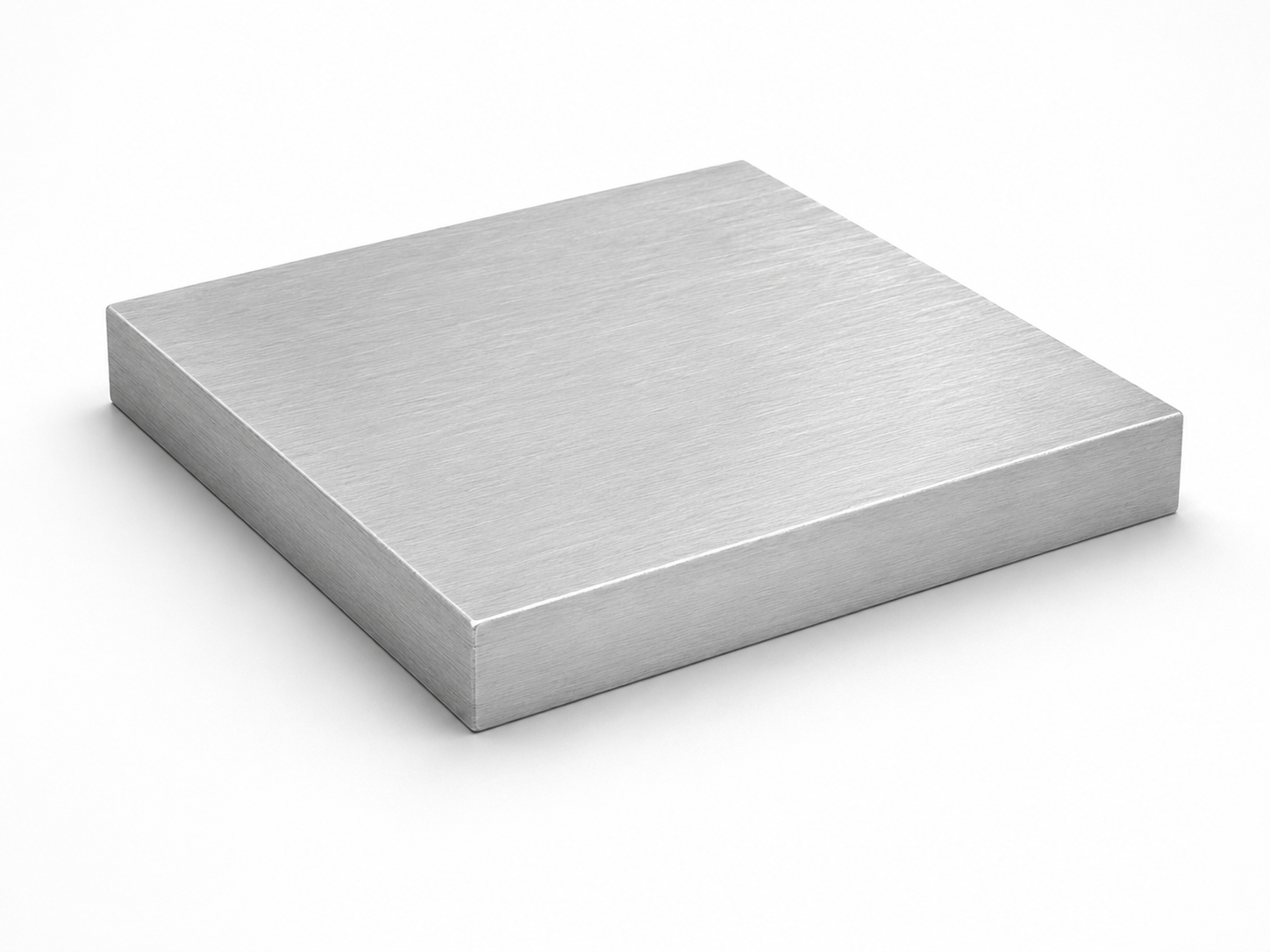
Aluminium
A hard-wearing option for selected drilling, locating or production templates where the material grade, thickness and machining requirements suit our CNC router.
Material grade, thickness, workholding and machining requirements need to be reviewed before quoting.
Other plywoods, plastics and sheet materials may also be suitable. The material is confirmed as part of the project review rather than selected from one rule for every template.
Details That Affect Template Accuracy and Use

Edges and datums
Clearly identify the edges, centre lines or points from which the template will be positioned.
Tool and guide offsets
A routing template may not match the finished component outline when a bearing, guide bush or cutter offset is involved. Explain how the template will be used.

Holes and slots
State the required finished size and whether holes are for drilling, clearance, locating pins, bushes or fasteners.
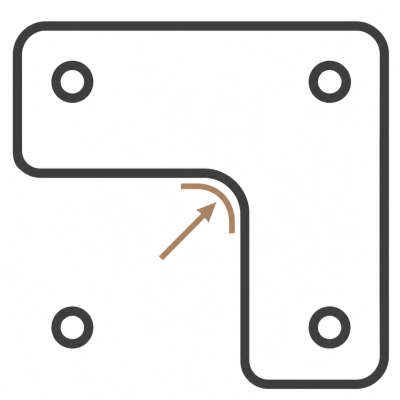
Internal corners
Internal corners carry the radius of the cutter unless reliefs or another detail are added.
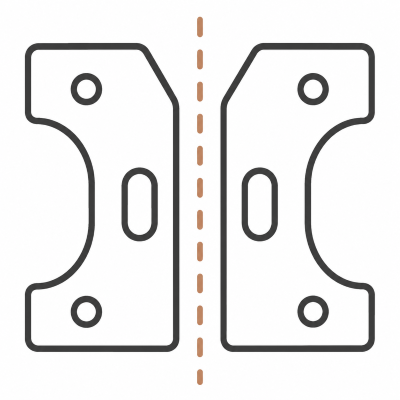
Handed parts
Identify left-hand, right-hand and mirrored pieces rather than relying on visual interpretation.
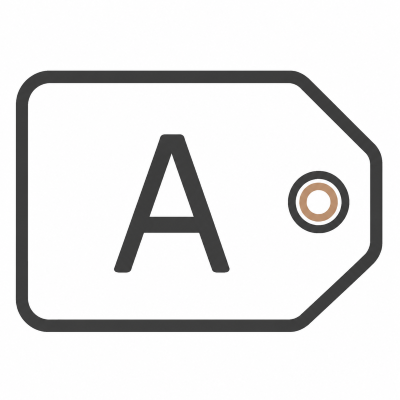
Identification
Part names, orientation marks and other simple identification can be added where suitable and included in the file instructions.
Where fit or function is critical, a sample or test template may be recommended before producing the full set.
How We Make a Custom CNC Template
Every job still requires file review, programming and production setup. We do not simply open the file and press start.


Review the purpose
We check what the template is for, how it will be positioned and which features matter.

Check the files
Supplied geometry is reviewed and any required measuring, conversion or redrawing is identified.

Confirm details
Material, thickness, quantity, labels, offsets and test requirements are agreed before production.

Machine, Check, Retain
The templates are CNC machined and checked. Stable production files can be retained for replacement templates or repeat sets.
What the Template Does - and What Still Needs Confirming
CNC machining can reproduce the approved geometry, but the customer still needs to confirm that the dimensions, offsets, hole positions and intended use are correct.
A template does not automatically confirm site dimensions, structural suitability, assembly clearances or compatibility with the tool being used.
Where these details still need development, we can review the project and quote the required CAD or production work separately.
Custom CNC Template and Pattern Questions
-
A sketch or photograph can help explain the project, but dimensions and production geometry will normally still be required. Measuring, tracing and CAD preparation are quoted separately.
-
Sometimes. The existing item needs to be reviewed for condition, size and the level of accuracy required. Measuring and converting it into a production file are separate from the cutting cost.
-
MDF suits many economical or short-run templates. Plywood offers stronger edges, while HDPE can suit reusable templates exposed to moisture or repeated handling.
-
Yes. These details should be shown in the file or clearly marked in the instructions, including their size, depth and purpose.
-
Yes, suitable one-off templates and prototypes are welcome. File review, programming and minimum job charges still apply.
-
The result depends on the supplied geometry, material, size, workholding and the feature being machined. Tell us which dimensions are critical so the project can be reviewed properly. We do not publish one universal tolerance for every material and job.
-
Stable production files can usually be retained for repeat or replacement cutting. Any later changes to material, thickness, geometry or machining instructions should be identified before reordering.
-
This service is for custom physical templates and patterns made in our workshop. CAD preparation may be quoted as part of producing the template.
Send Your Custom Template or Pattern Details
Upload your CAD files, drawings, photographs or existing-pattern details and explain how the finished template will be used.
Include the overall size, material if known, quantity, important holes or locating features and required date. We will review the information and come back with any questions before quoting.