
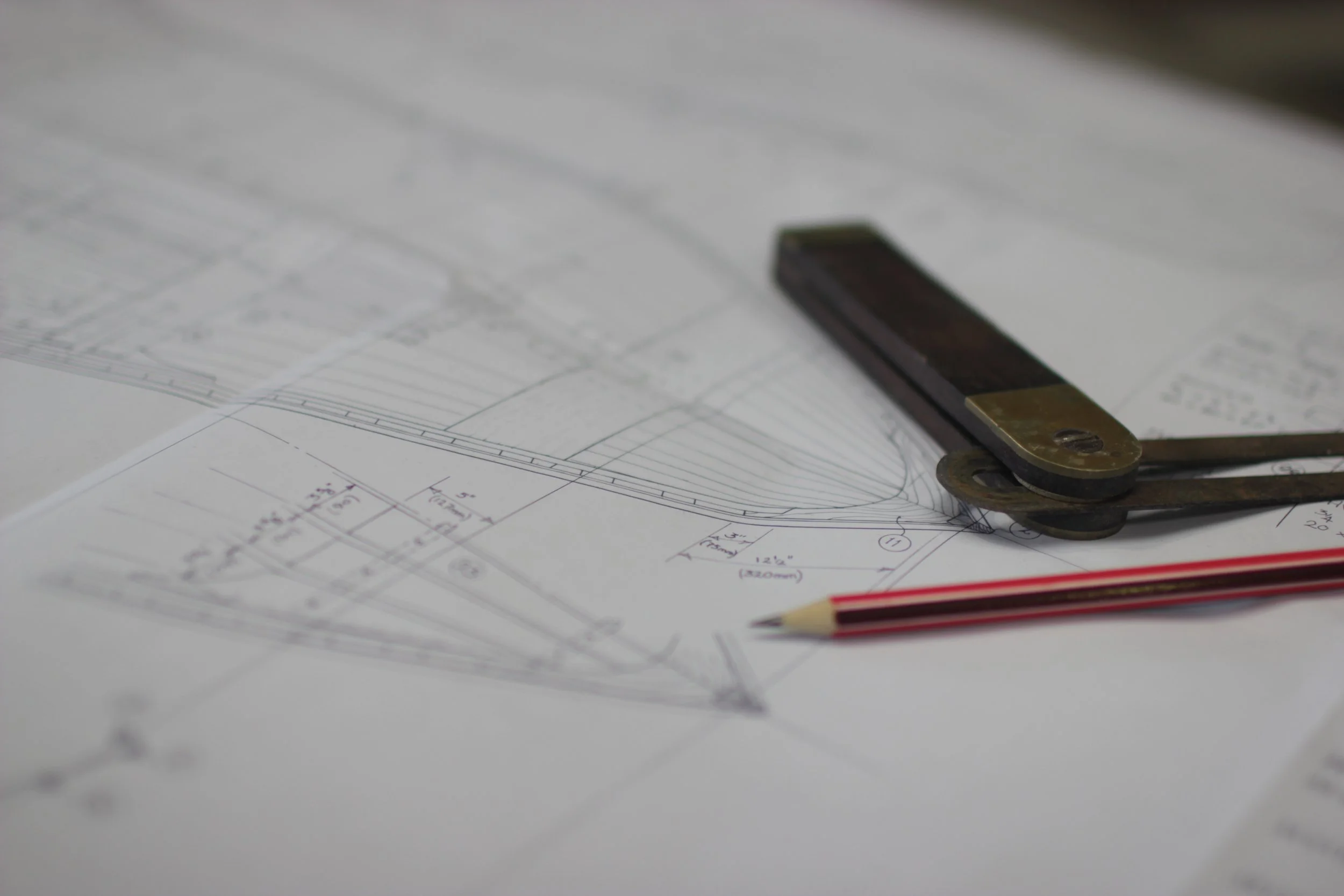
DREAM IT
You have an idea, intended result, sketch, photograph, reference or existing object, but the design is not yet resolved for production.
Williamstown CNC Works can help define a practical direction, identify the information still required and scope the paid development work needed before accurate drawings and CNC cutting can begin.
Custom CNC Design & Project Development
Already have drawings, plans or a model? Go to Draw It.
Start with the stage that best matches the information you have now. Not every project needs all four stages.
DREAM IT
I have an idea or rough concept.

DREAM IT

DRAW IT
CUT IT
DRAW IT
I have drawings, plans or a model.
BUILD IT
CUT IT
I have production-ready files.
BUILD IT
I need parts plus workshop work.
YOUR STARTING POINT
A Defined Idea Is Enough to Begin the Conversation
Not every CNC project begins with finished drawings or a production-ready file.
You may have a rough sketch, reference photographs, an existing object, a partly developed product or a clear idea of what the finished project needs to do.
You do not need to solve the entire production process before contacting us. You do need to provide enough information for us to understand the intended result, approximate size, likely quantity and what decisions are still unresolved.
We can then identify whether the project is suitable for Williamstown CNC Works and what paid development stage is required next.

Dream It is the project-development stage. It is not an instant cutting quote based only on an idea or reference image.
DREAM IT MAY SUIT YOU IF
Your Project Has Direction, but the Details Are Not Yet Resolved
I Have an Existing Object or Component
You want to reproduce, modify or develop something that already exists, but it needs to be measured, interpreted or redrawn.

It Combines CNC & Workshop Work
You need more than cut parts and want to establish a practical pathway that may include machining, laminating, assembly or finishing.

I Have a Rough Idea With a Clear Purpose
You know what the project needs to do, but its dimensions, construction or individual components have not been fully worked out.
I Need an Early Prototype
You want to test a particular size, shape, joint, material or construction method before committing to a final version.
I Have Sketches or Reference Images
You have useful visual information, but it does not yet define the exact parts required for CNC production.
I Am Developing a New Product
The intended product is understood, but decisions about material, construction, assembly or production still need to be made.
HOW THE STAGE WORKS
Turning Useful Ideas Into a Defined Production Direction
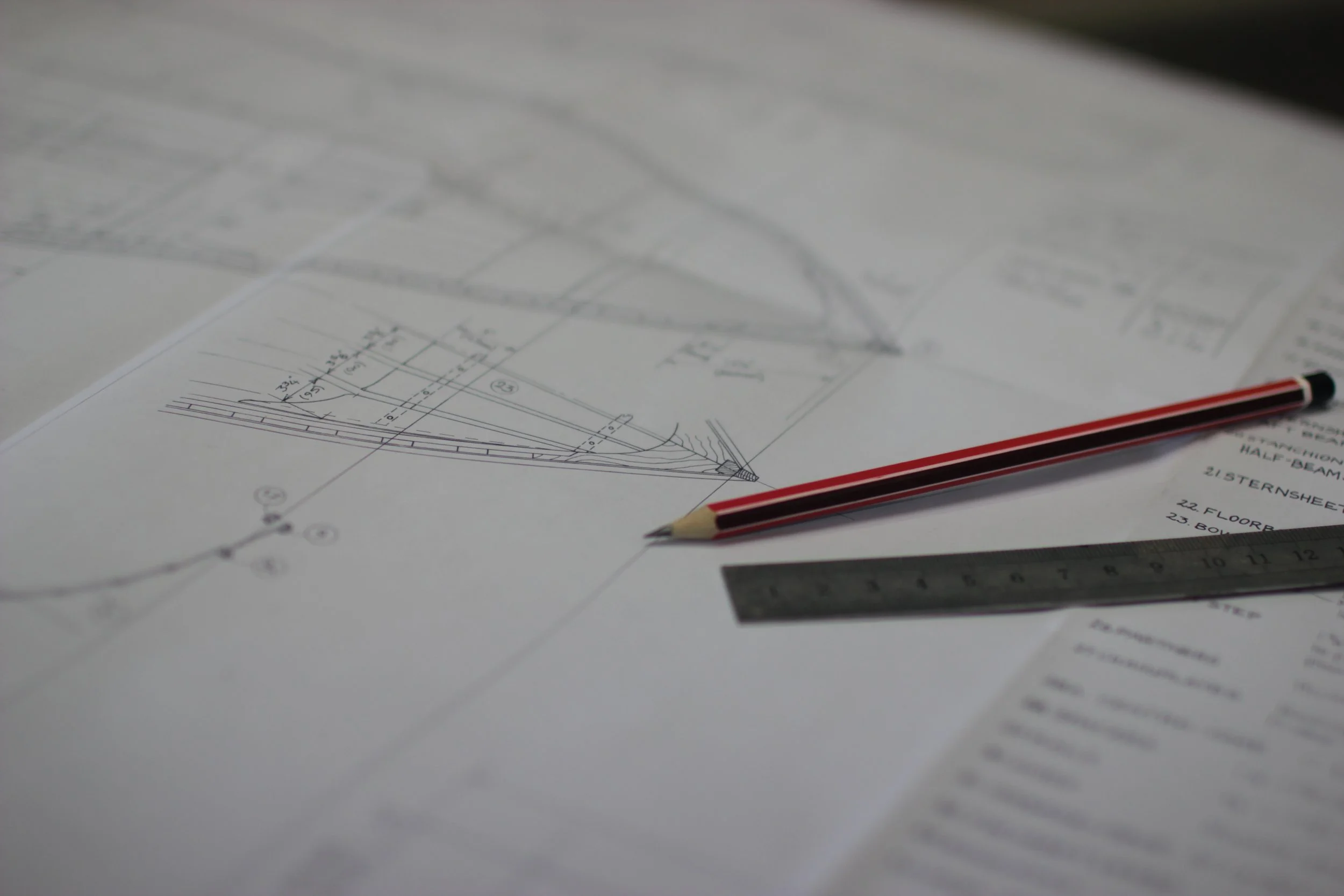
1 - You Bring
Provide the information you currently have, including:
A description of the project and what it needs to do
Sketches, photographs or reference images
Any known dimensions
Existing files or drawings
Intended materials or finish
Expected quantity
Budget expectations
Timing and important constraints
The information does not need to be professionally presented. Clearly identify what is known, what is approximate and what still needs to be decided.
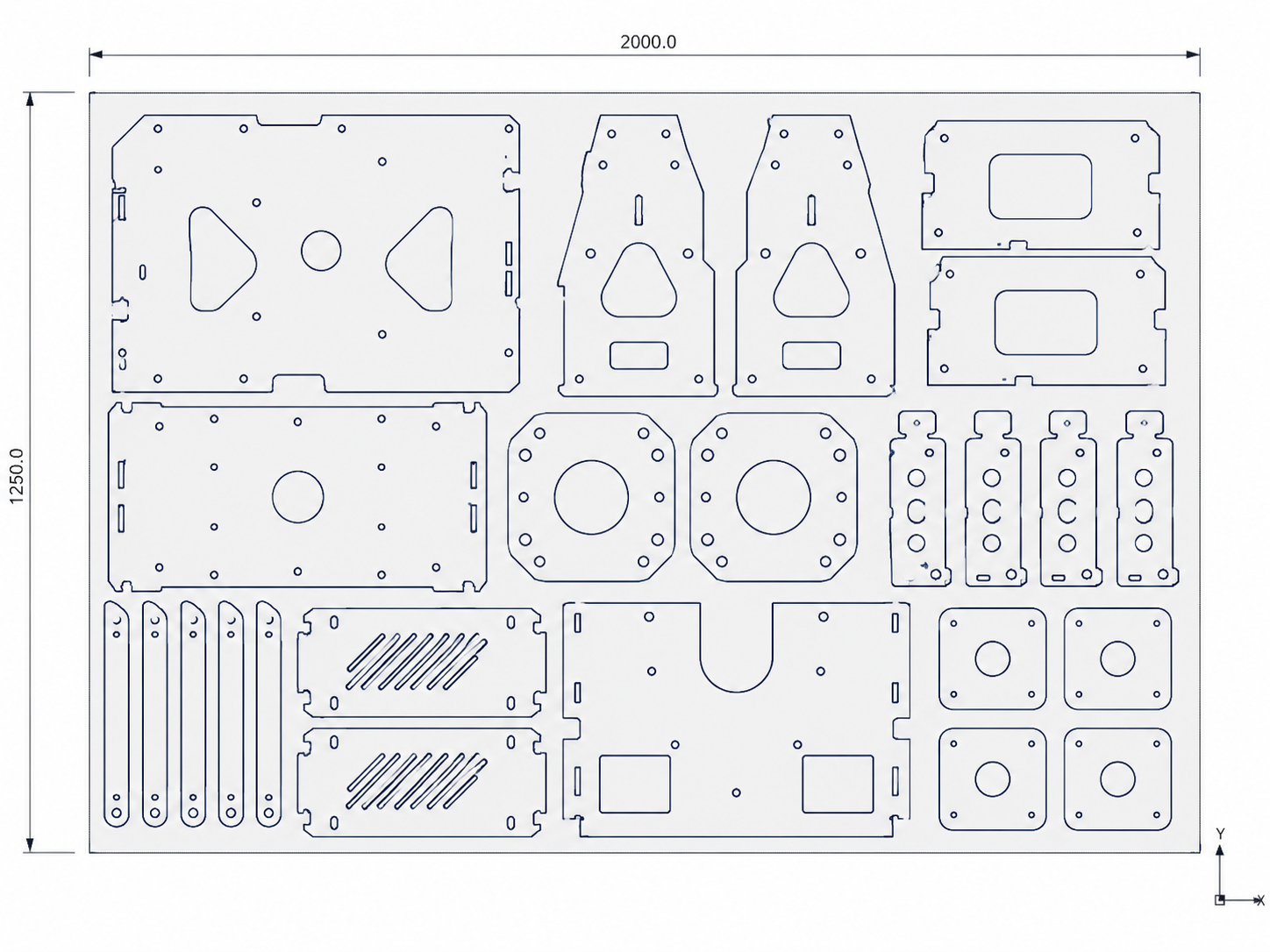
2 - Williamstown CNC Works Develops
Depending on the agreed scope, we can:
Review the intended use and starting information
Identify missing dimensions or unresolved decisions
Consider practical materials and construction methods
Break the project into logical components
Establish what needs to be drawn, tested or prototyped
Develop an agreed pathway towards CNC production
Define the next paid stage of work
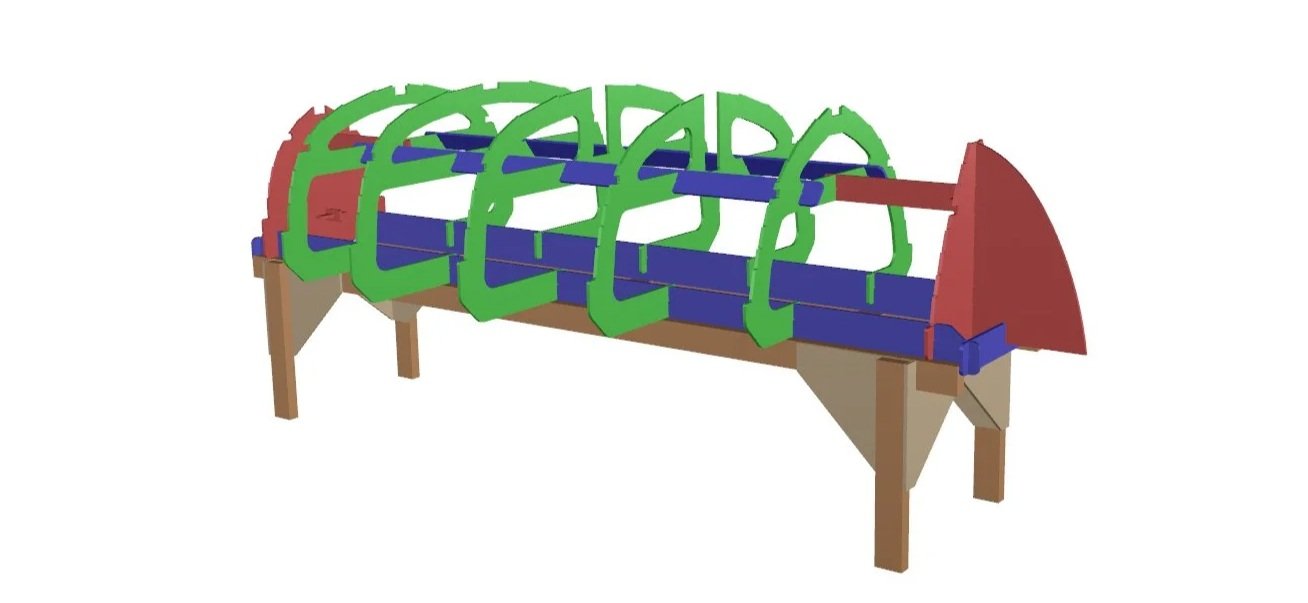
3 - You Receive
The outcome depends on the development scope.
It may include:
A clearer and more practical project direction
Agreed dimensions and construction principles
A defined list of components
Material or prototype recommendations
A staged development plan
A handover into CAD and file preparation
An agreed pathway into cutting and workshop production
The required outputs will be identified before the development work begins.
PROJECT DEVELOPMENT SERVICES
Practical Development for Projects Intended to Be Made
First Prototype Planning
Establishing what an early prototype or test component needs to prove before further development or production.
Component Planning
Breaking a larger idea into individual panels, profiles, formers, templates or other parts that can be drawn, machined and assembled.
Project Definition
Clarifying what is being made, how it will be used, the approximate size, quantity and required finished outcome.
Staged Development
Separating larger projects into clear stages so that major decisions can be reviewed and approved before more time is committed.
Material and Construction
Reviewing suitable sheet materials, timber, plastics, component thicknesses, assembly methods and practical workshop considerations.
CNC Production Direction
Considering how the project may be machined, located, assembled and repeated without attempting to complete all detailed CNC programming during the concept stage.
Some projects only require a short paid review and a clear next step. Others require several agreed development stages before they are ready for drawings or production.
A CONTROLLED PROCESS
Development Is Scoped Before It Begins

Send the Current Information
Provide a description, sketches, photographs, existing files, dimensions and anything else that helps explain the intended project.

We Review the Starting Point
We assess whether the project appears suitable for our CNC and workshop capabilities and identify the information that is still missing.
This initial review is used to understand the project. It does not include free design development or completed production drawings.

The Project Develops in Stages
Larger or less-resolved projects may be divided into practical approval points.
This helps control:
Time, Cost, Revisions, Material decisions, Prototype work and Movement into later production stages.


We Define the Development Stage
Where further work is required, we outline what needs to be resolved, what information you need to provide and what Williamstown CNC Works is being asked to develop.
The agreed work is then quoted separately.
You Approve the Next Step
Once the project direction is sufficiently resolved, it can move into Draw It, Cut It or an agreed combination of cutting and workshop work.
A workshop meeting may be arranged after the starting information has been reviewed. Detailed consultation and extended development sessions may form part of the paid scope.
PROJECT INFORMATION
Help Us Understand What You Are Trying to Make
Send as much of the following as you currently have:
A plain-language description of the project
What the finished item needs to do
Sketches, photographs and reference images
Overall dimensions or known critical measurements
Existing CAD, PDFs, plans or models
Intended material and finish
Expected quantity
Whether this is a one-off, prototype or possible repeat product
Where and how the finished item will be used
Your required date or target timeframe
A realistic budget or expected project range
Details that are already fixed
Decisions that still need to be made
Do not delay sending the information because the sketches or notes are rough.
Clearly label approximate dimensions and unresolved details so they are not mistaken for approved production information.
SCOPE BOUNDARIES
Dream It Does Not Include Every Possible Project Service
Unless specifically included in an agreed scope, project development does not automatically include:
Free or unlimited design consultation
Engineering, certification or structural approval
Architectural, marine or regulatory design responsibility
Site measuring
Complete product invention from a single reference image
Market research or commercial product planning
Unlimited revisions
Specialist consultant services
Complete manufacture, finishing, delivery or installation
A fixed cutting price before the design is resolved
Where suitable, some of these requirements may be handled by the customer, another qualified professional or through a separately quoted WCW stage.
Before production, the customer remains responsible for approving the agreed dimensions, design and intended use.
THE NEXT PRODUCTION STAGE
Move Forward When the Project Is Ready
Continue to Draw It
Choose Draw It when the project direction is understood but dependable CNC component files still need to be created, redrawn or repaired.
Continue to CAD, Redrawing and File Preparation
Move to Cut It
Choose Cut It when the component geometry, dimensions, material, thickness, quantities and machining requirements are approved.
Continue to CNC Cutting From Files
Add Build It
Choose Build It when the CNC-cut components also require agreed workshop work such as laminating, sanding, edgebanding, trial assembly or finishing.
View Component Assembly and Workshop Services
Some projects may only require one stage. Others may move through Dream, Draw, Cut and Build as separate quoted parts of the same project.
RELATED PROJECT PATHWAYS
Start With Your Project Type
Dream It can support suitable projects across several areas of Williamstown CNC Works.

Custom Design and Projects
Defined one-off ideas, product concepts, furniture, displays and other projects requiring paid development before production.
Explore Custom Design and Projects
Small-Batch Production
Products intended to move from an early prototype into controlled first runs and repeat batches.
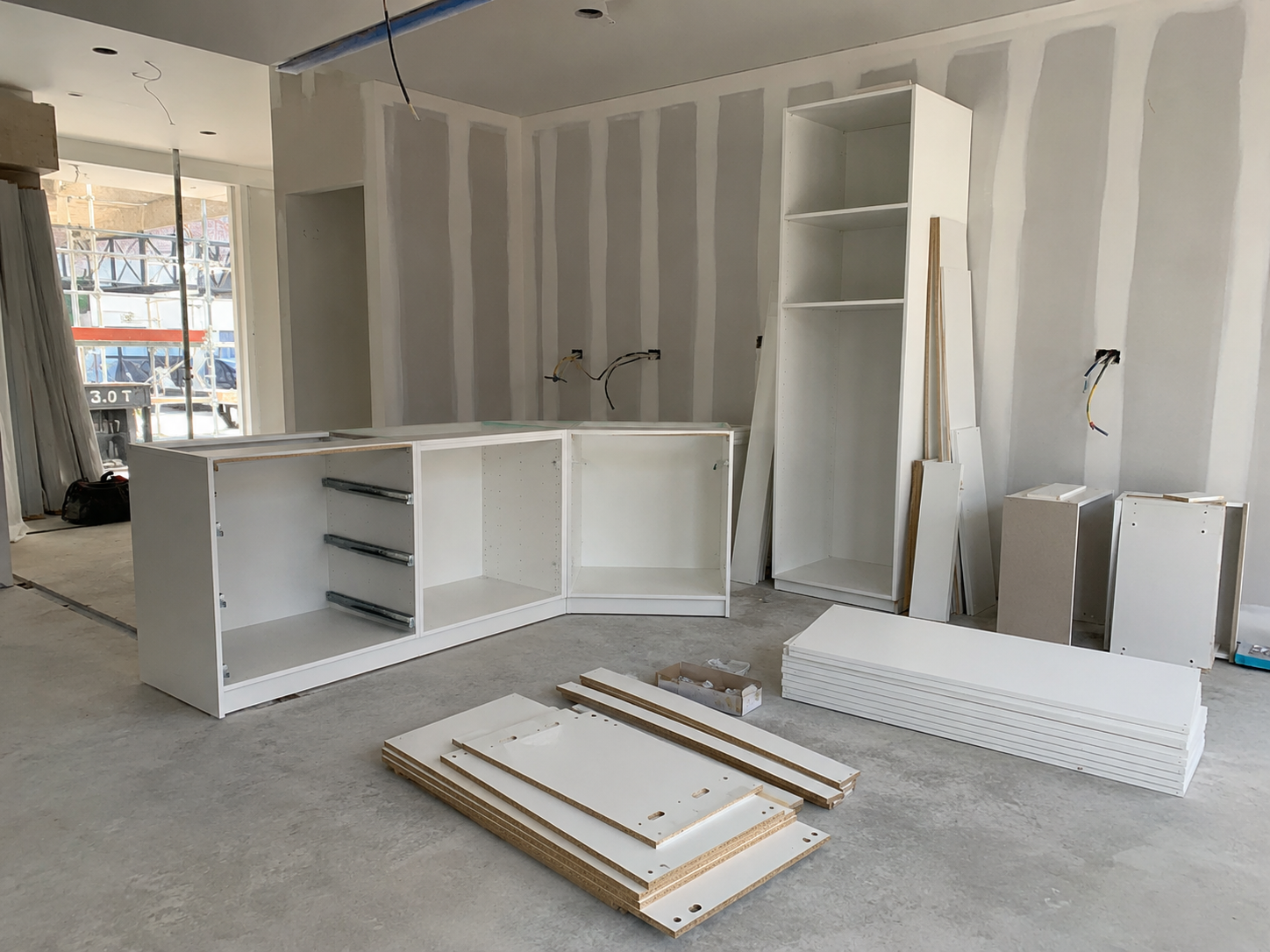
Construction and Trade
Shaped components, formers, panels and trade projects where the production direction still needs to be resolved.
Templates and Patterns
Reusable guides, physical patterns and workshop tools that need to be developed around their intended use.
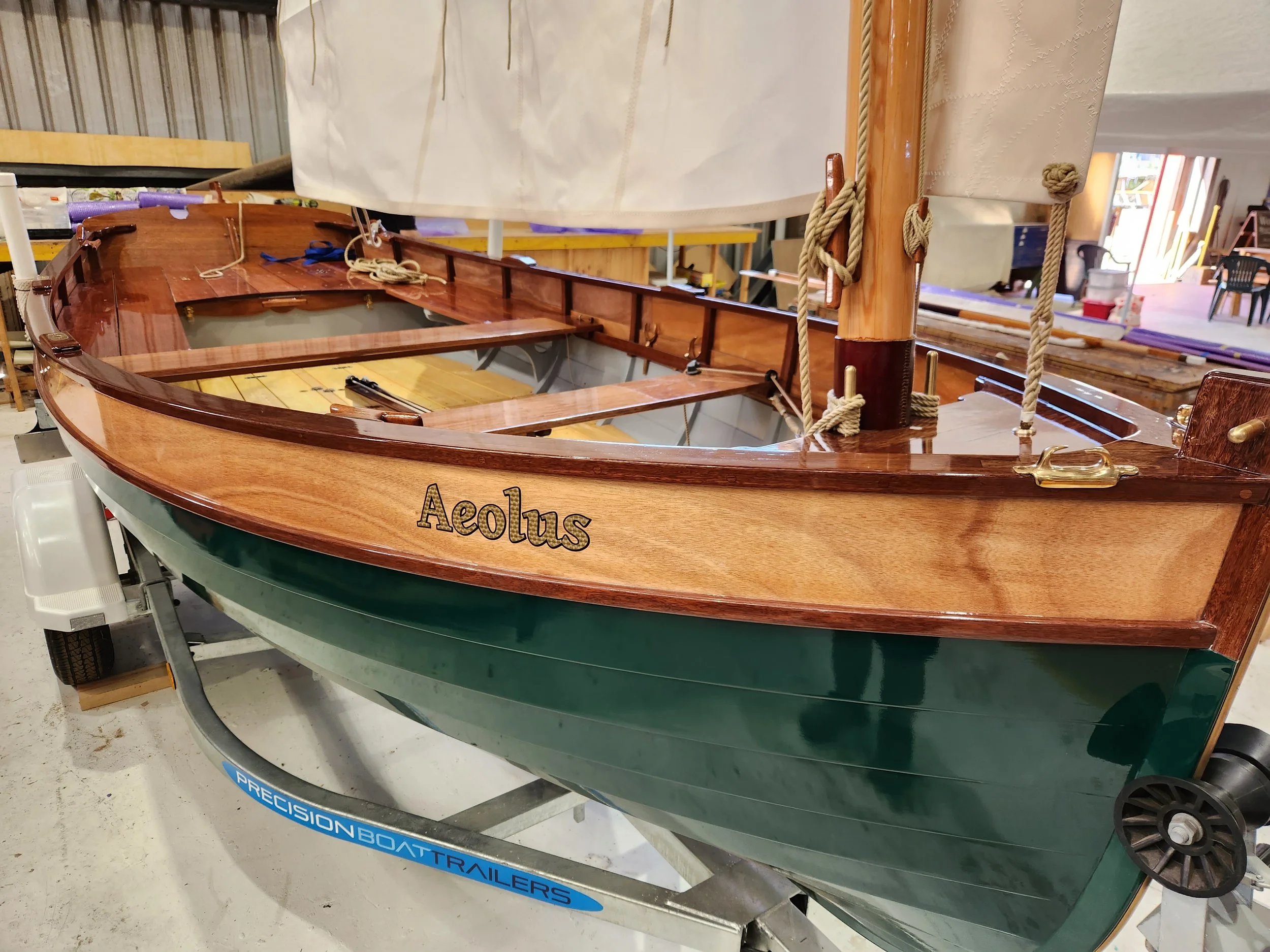
Boatbuilding and Marine
Marine components, patterns and fitout parts supported by practical shipwright and CNC experience.
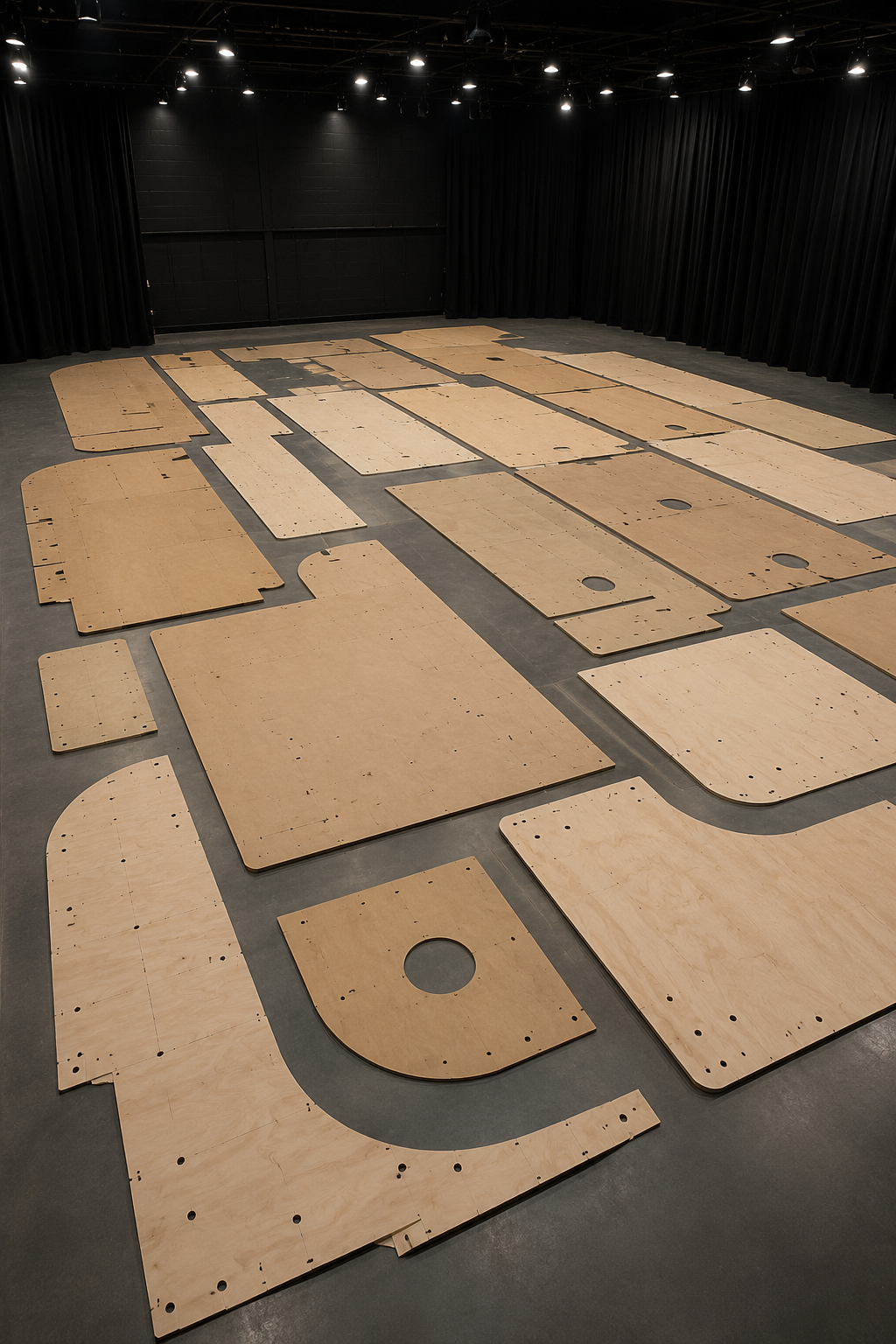
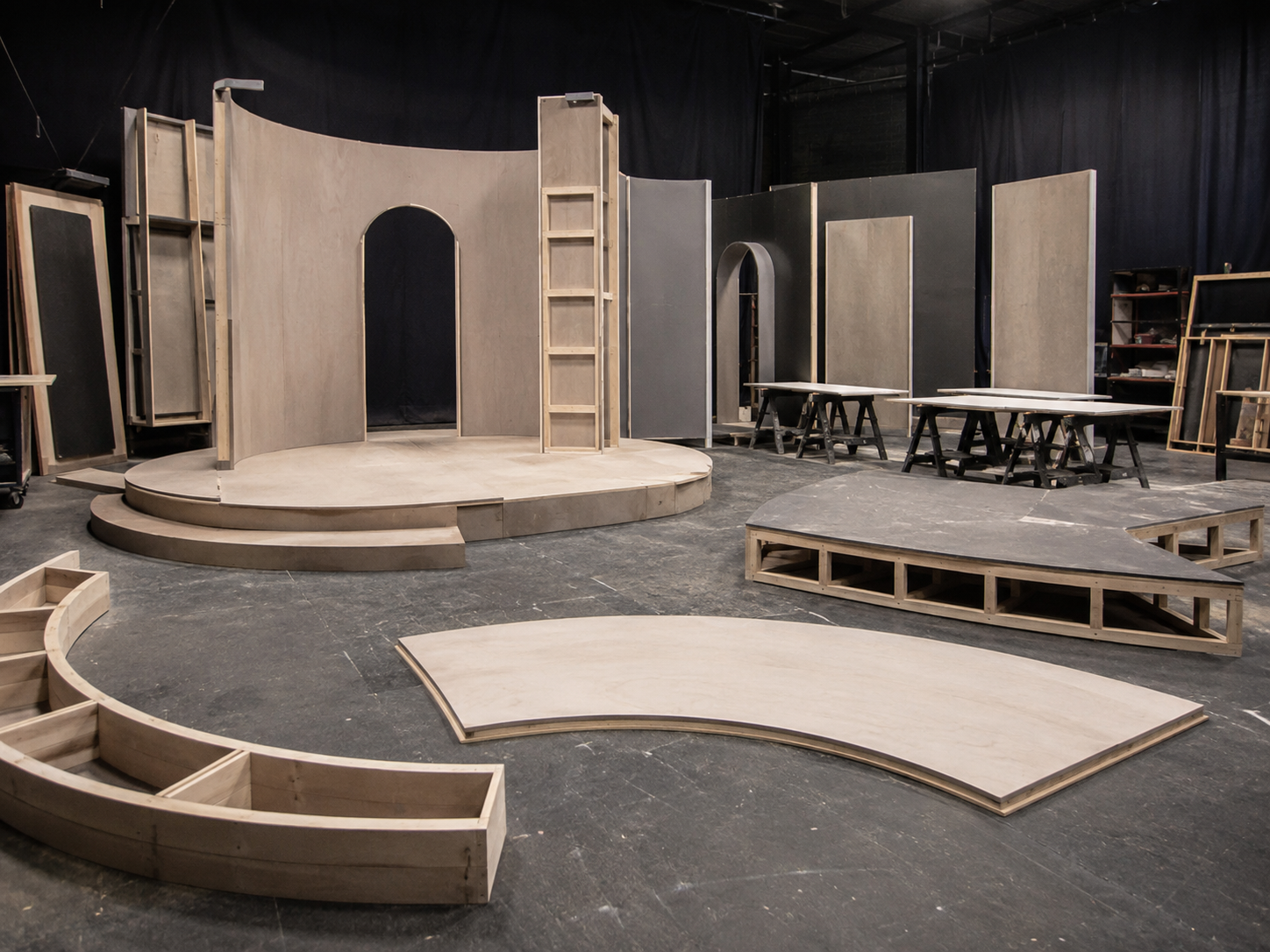
Set, exhibition and fabrication parts
Project-specific components produced in controlled quantities for temporary builds, displays and workshop fabrication.
Dream It Frequently Asked Questions
-
We can review sketches and photographs to understand the project, but they are not normally enough for an accurate CNC cutting quote.
A cutting quote requires dependable component geometry, dimensions, material, thickness, quantities and machining requirements.
Where these details still need to be developed, that work is quoted separately.
-
Useful starting information may include sketches, plans, photographs, PDFs, measurements, physical patterns, existing objects or partially completed files.
The quality of that information affects the amount of paid development required before production.
-
Sometimes.
The object must first be reviewed to determine whether it can be reliably measured, interpreted and reproduced.
Measuring, redrawing, test components and any required adjustments are separately scoped work.
-
We can assist with the practical development of suitable CNC and workshop projects.
This may include component planning, materials, construction methods, prototypes and movement towards production.
We do not provide unlimited creative development, engineering, certification, commercial product strategy or responsibility for every aspect of a new product.
-
Workshop visits are by arrangement after enough project information has been submitted for an initial review.
This allows us to confirm that the project is suitable and that a meeting is the most useful next step.
Longer consultations or development meetings may be paid.
-
The project can move into:
Draw It for CAD and CNC file preparation
Cut It for CNC production from approved information
Build It for selected workshop services after machining
The required stages will be identified as the project develops.
-
The customer must approve the agreed dimensions, design and intended use before production.
Where engineering, structural, regulatory or specialist approval is required, that approval must be provided by an appropriately qualified party.